
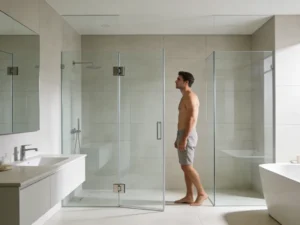
Bathroom Shower Waterproofing Systems: What Homeowners Should Know
When planning a bathroom remodel, most homeowners focus on visible design elements such as tile, fixtures, vanities, and lighting. While these features define the appearance of the space, one of the most important aspects of a bathroom renovation is something you rarely see once construction is complete: the shower waterproofing system installed behind the tile.
A properly waterproofed shower protects your home from moisture damage, mold growth, and structural problems. Without a reliable waterproof barrier, water can slowly penetrate walls and flooring, leading to costly repairs over time.
Modern bathroom construction relies on specialized waterproofing systems designed to keep water contained within the shower area. Among the most commonly used systems are Wedi, Schluter, and other high-performance backer board or membrane systems used by professional remodelers.
Understanding how these systems work helps homeowners make informed decisions during a bathroom renovation.
Why Shower Waterproofing Matters
Tile and grout may appear waterproof, but they are not designed to fully stop moisture. Grout joints and natural materials can allow small amounts of water to pass through over time.
Because of this, the real protection in a tiled shower comes from the waterproof layer installed behind the tile surface. This barrier ensures that any moisture that passes through the tile cannot reach the framing or drywall behind the wall.
A properly installed waterproofing system prevents:
- Moisture penetration into walls and subfloors
- Mold and mildew growth behind tile surfaces
- Long-term structural damage
- Premature failure of the shower installation
Professional remodeling projects treat the shower area as a sealed system. Every corner, seam, and plumbing penetration must be carefully protected so that water cannot escape the shower assembly.
Modern Shower Waterproofing Systems
Over the years, waterproofing technology has improved significantly. Traditional methods often relied on cement board and moisture barriers, but modern systems provide much more reliable protection.
Today, many professional remodelers use integrated waterproofing systems designed specifically for tiled showers. These systems typically fall into two categories:
- Waterproof membrane systems, where a sheet membrane is applied behind the tile
- Waterproof backer board systems, where the board itself is waterproof
Three of the most commonly used systems in modern bathroom construction include Schluter, Wedi, and other waterproof board systems such as Laticrete Hydro Ban Board or GoBoard.
Each approach has advantages depending on the project design and installation preferences.
Schluter Waterproofing System
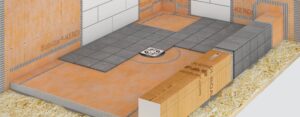
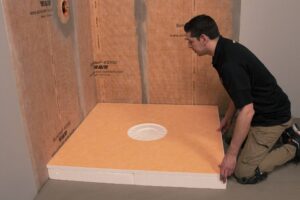
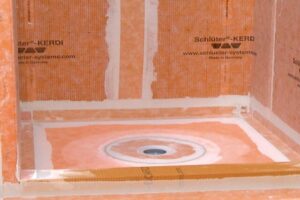
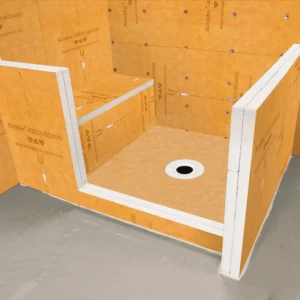
Schluter Systems has become one of the most recognized names in shower waterproofing. Their Kerdi waterproofing system uses a flexible sheet membrane that is applied directly behind the tile.
The membrane is installed over drywall or cement board using thinset mortar. All seams, corners, and joints are sealed with specialized waterproof tape to create a continuous barrier.
One of the main advantages of the Schluter system is its long track record in the industry. The system has been widely used for many years and is known for its reliability when installed correctly.
Schluter systems also offer a wide range of integrated components, including shower pans, drains, waterproof niches, and prefabricated corners that simplify installation.
The key benefits of Schluter waterproofing include:
- Proven performance and strong industry reputation
- Reliable waterproof membrane protection
- Wide availability of compatible components
- Flexible installation for custom shower designs
However, membrane systems such as Schluter typically require careful installation of seams and overlaps. Because the waterproof layer is applied in sheets, attention to detail during installation is essential.
Wedi Waterproof Shower System
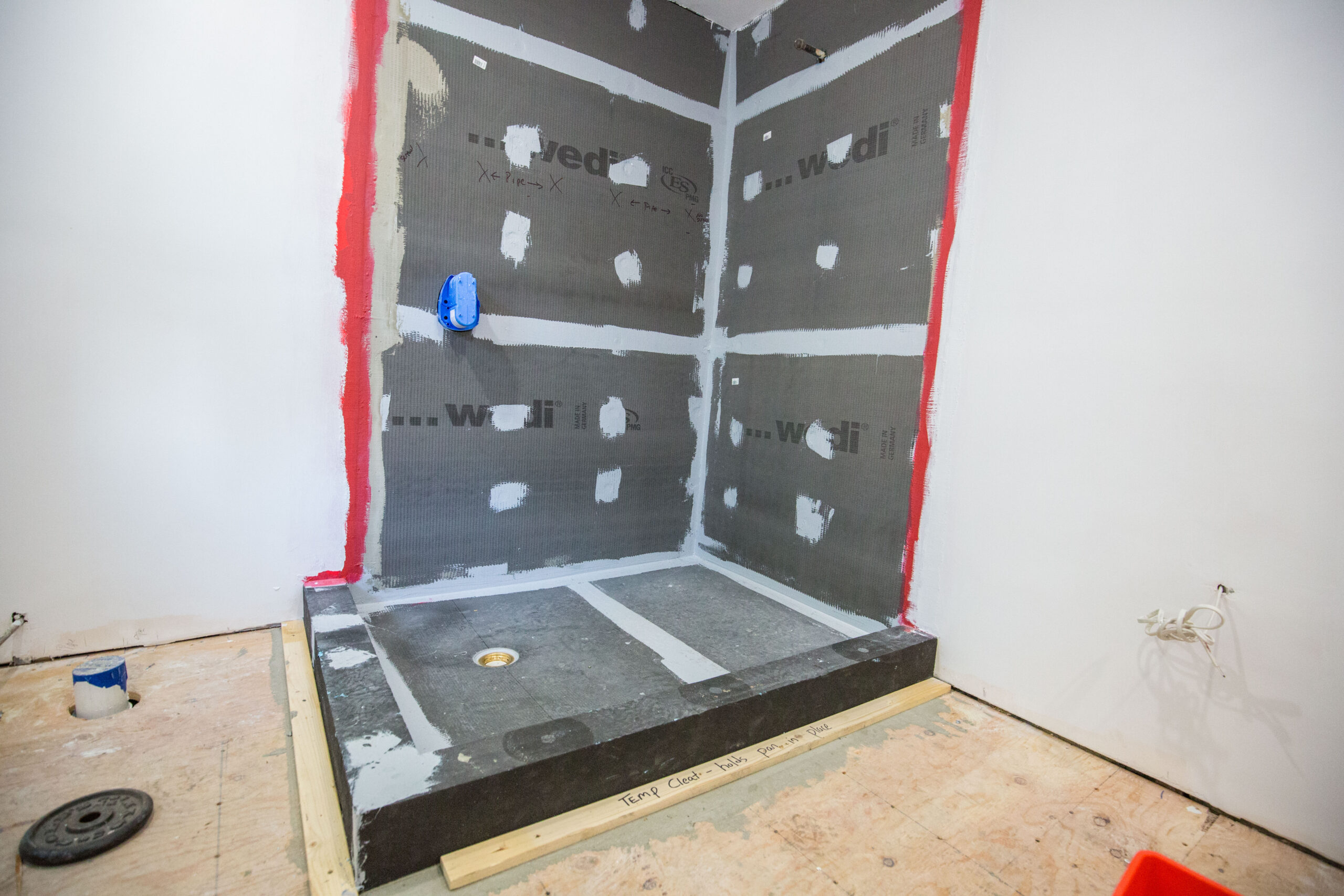
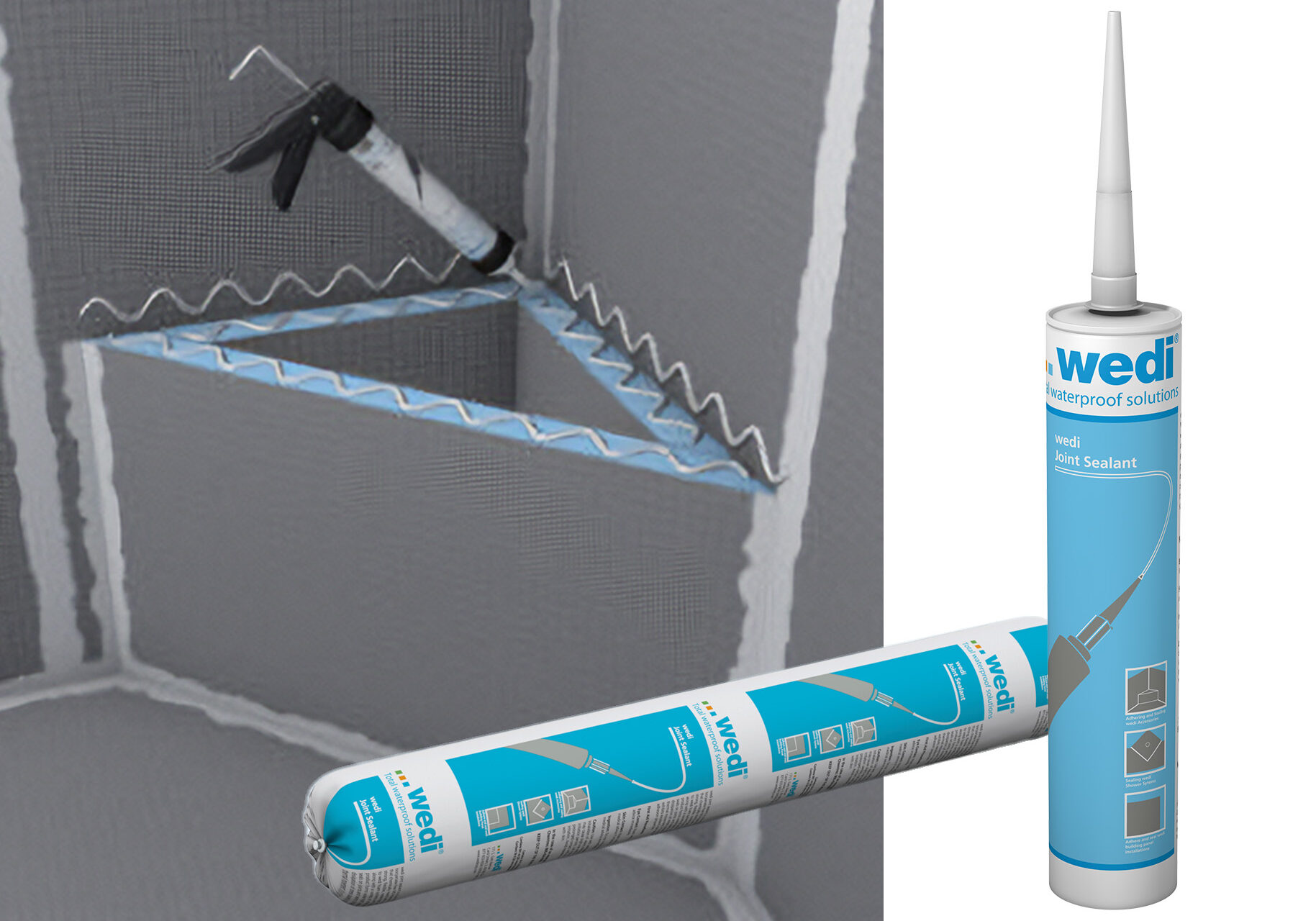
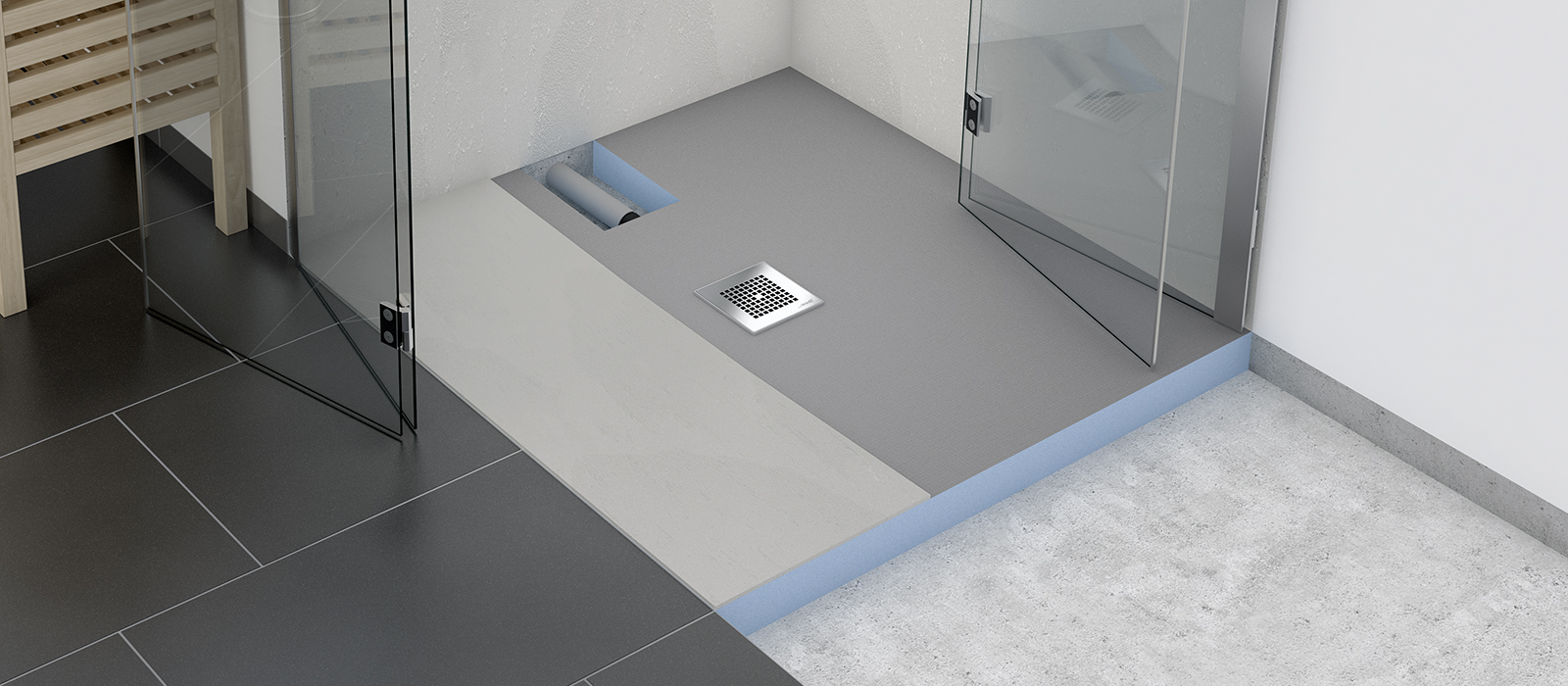
Wedi offers a different approach to waterproofing by using rigid foam backer boards that are fully waterproof throughout the panel.
Instead of applying a separate membrane behind the tile, the Wedi system uses blue foam boards with a waterproof coating. These boards are installed directly on the wall framing, and all seams are sealed with a specialized waterproof sealant.
This design allows installers to build a shower quickly while maintaining strong waterproof protection. Because the panels themselves are waterproof, the installation process often requires fewer steps compared to membrane systems.
Wedi also manufactures integrated shower pans, benches, and niches that work together as a complete system.
The advantages of the Wedi system include:
- Fast installation compared to traditional waterproofing methods
- Lightweight panels that are easy to cut and install
- Integrated shower components for a complete system
- Excellent waterproof protection when seams are properly sealed
Because of its speed and reliability, Wedi is frequently used in high-end bathroom remodeling projects where precision and efficiency are important.
Other Waterproof Board Systems
In addition to Schluter and Wedi, several other waterproofing products are commonly used in modern bathroom construction.
Systems such as Laticrete Hydro Ban Board and Johns Manville GoBoard offer similar performance to Wedi while providing alternative installation methods and pricing options.
Hydro Ban Board combines a waterproof foam panel with the well-known Hydro Ban waterproofing technology. The system integrates with Laticrete mortars and adhesives, creating a durable and well-supported installation method.
GoBoard is another lightweight waterproof backer board designed for tile installations. It offers a foam core with a waterproof coating and sealed seams, making it a practical option for many remodeling projects.
These systems share several benefits with Wedi-style boards:
- Lightweight construction
- Fast installation
- Integrated waterproof core
- Reduced installation complexity
For professional remodelers, choosing between these systems often depends on project requirements, installation preference, and material availability.
Comparing Popular Waterproofing Systems
While each system is designed to achieve the same goal—keeping water out of the walls—there are some differences in how they are installed and how they perform during construction.
|
System |
Type |
Advantages |
Considerations |
|
Schluter Kerdi |
Sheet membrane |
Proven system, highly customizable |
Requires careful seam installation |
|
Wedi |
Waterproof foam board |
Fast installation, integrated components |
Higher material cost |
|
Hydro Ban Board |
Waterproof board system |
Strong manufacturer support |
Must use compatible system products |
|
GoBoard |
Lightweight waterproof board |
Easy to cut and install |
Slightly less rigid than premium boards |
All of these systems are capable of providing reliable waterproof protection when installed correctly. The quality of the installation often matters more than the specific brand used.
Critical Waterproofing Details
Regardless of the waterproofing system selected, several areas require special attention during installation.
Corners and seams are some of the most important points in the waterproof barrier. These areas must be carefully sealed to prevent water from entering the wall cavity.
Plumbing penetrations are another key area. Shower valves, supply pipes, and body sprays must be sealed with specialized gaskets or waterproof collars to maintain the integrity of the system.
The connection between the shower floor and the drain is also critical. Modern waterproofing systems use integrated drain assemblies designed to connect directly with the waterproof layer.
Proper installation at these transition points ensures that the entire system functions as a sealed waterproof container.
Flood Testing for Quality Assurance
Many professional remodelers perform a flood test before installing tile in a new shower.
During a flood test, the shower base is temporarily filled with water while the drain is sealed. The water level is monitored for a period of time to confirm that the waterproofing system is functioning correctly.
If the water level remains stable, the installer can proceed with tile installation knowing the system is properly sealed.
Flood testing provides an extra layer of confidence and helps prevent hidden problems before the finished surfaces are installed.
Choosing the Right Waterproofing Approach
Selecting the right waterproofing system depends on several factors, including the design of the shower, the installation method preferred by the contractor, and the overall project budget.
Membrane systems such as Schluter offer flexibility and a long history of successful installations. Waterproof board systems like Wedi provide faster installation and integrated components that simplify the building process.
Regardless of the system used, the most important factor is professional installation and attention to detail. Proper seam sealing, drain connections, and plumbing penetrations are essential for creating a durable shower assembly.
Waterproofing in Professional Bathroom Remodeling
In modern bathroom remodeling, waterproofing is one of the most important steps in construction. While tile and fixtures define the appearance of the bathroom, the waterproofing system ensures the installation remains durable and reliable for years.
At NNHAUS, shower construction focuses on proven waterproofing methods and careful installation practices. By combining professional design with reliable construction techniques, homeowners can enjoy bathrooms that are both beautiful and built to last.
For homeowners in Raleigh, Cary, Apex, Durham, and Chapel Hill, understanding how waterproofing systems work helps ensure that a bathroom renovation is both visually appealing and structurally sound.
Latest posts

Bathroom Shower Waterproofing Systems: What Homeowners Should Know
February 23, 2026
White Kitchen vs Two-Tone Kitchen Cabinets: Which Is Better?
January 19, 2026

Remodeling Older Homes in Raleigh: What Homeowners Should Know
January 16, 2026

Kitchen Remodeling in Raleigh, NC: Homeowner guide
January 15, 2026
Bathroom Remodeling in Cary, NC: Homeowner Guide
November 15, 2025
Our Services