White Kitchen vs Two-Tone Kitchen Cabinets: Which Is Better?
Choosing kitchen cabinet colors is one of the most impactful decisions in a remodel. Among today’s most popular styles, all-white kitchens and two-tone cabinets dominate design conversations. Both offer distinct aesthetics, resale value advantages, and functional benefits—but which is right for your home?
This guide breaks down the differences, pros and cons, costs, and design considerations to help you make a confident decision.
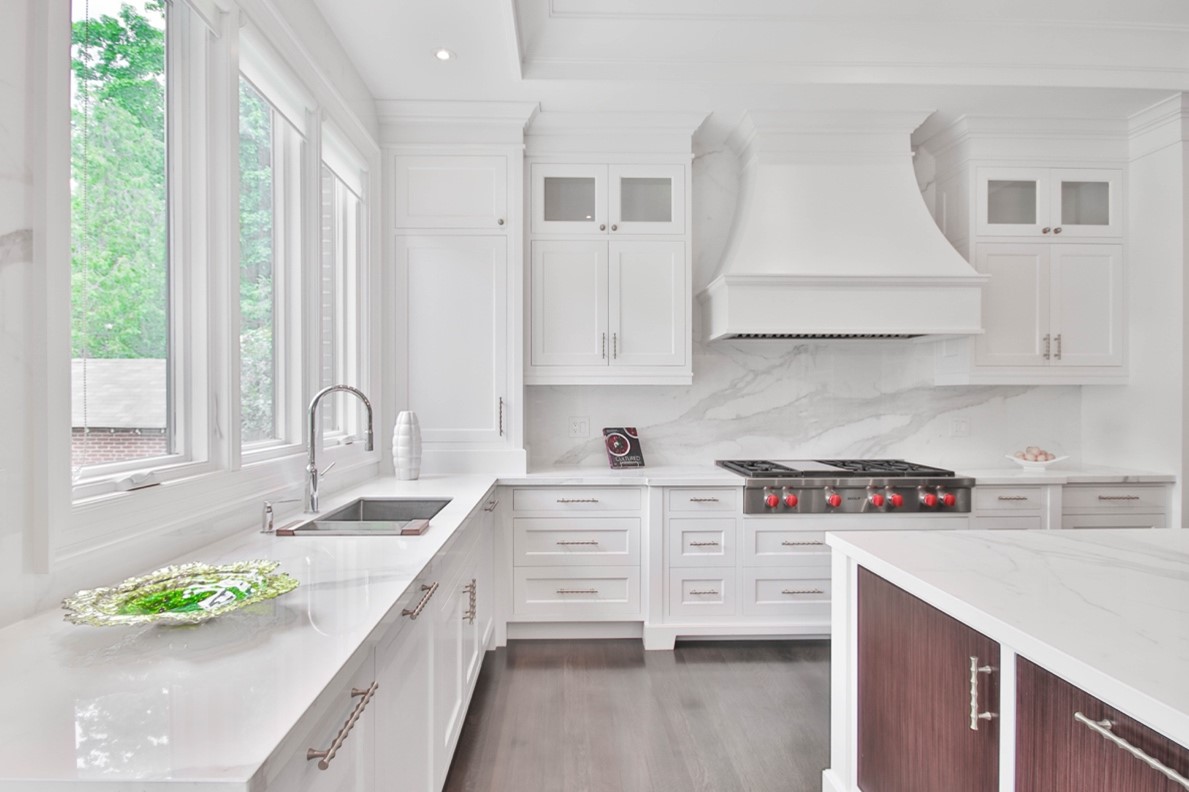
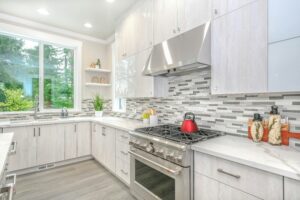
White Kitchen Cabinets: Timeless, Bright, and Versatile
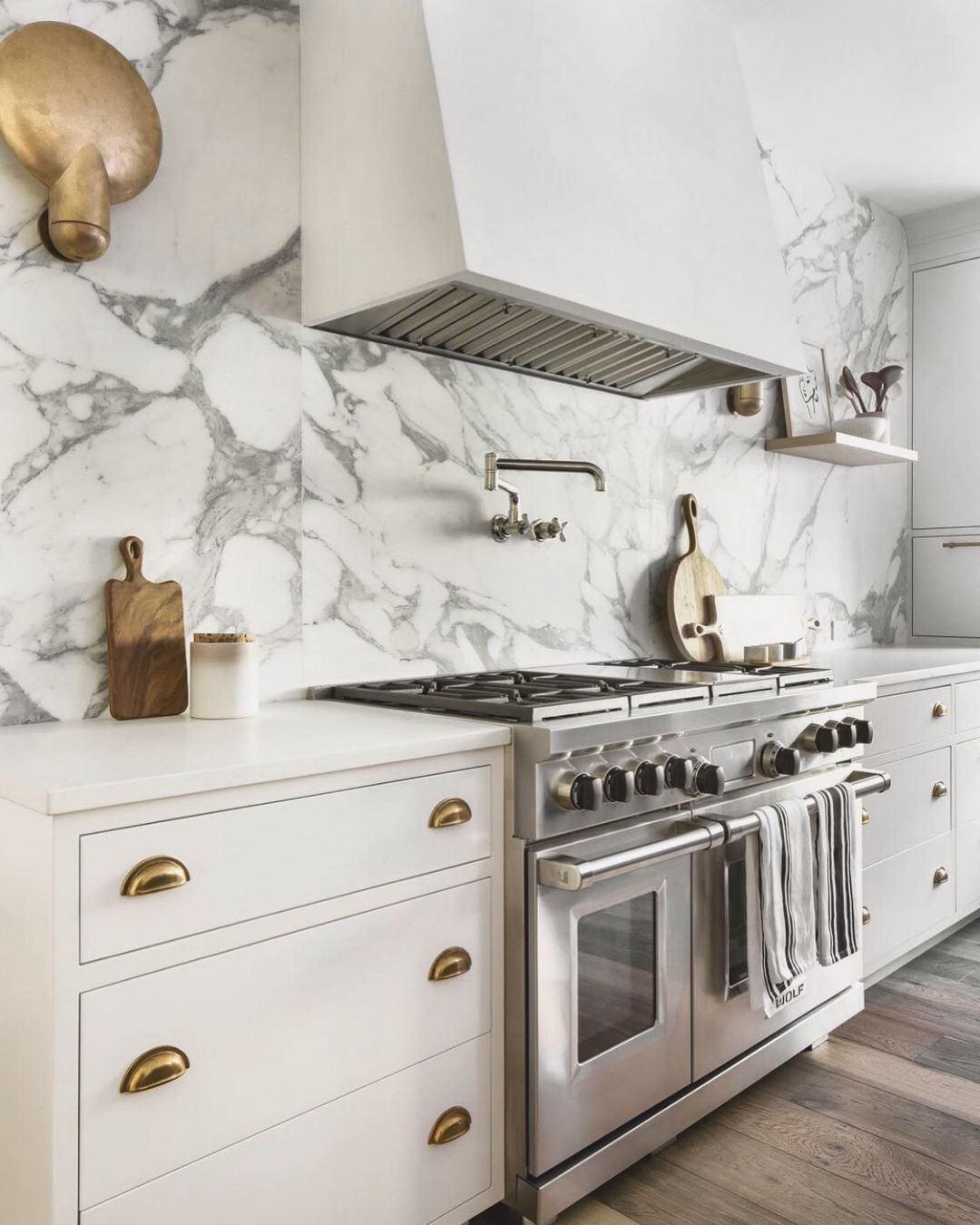
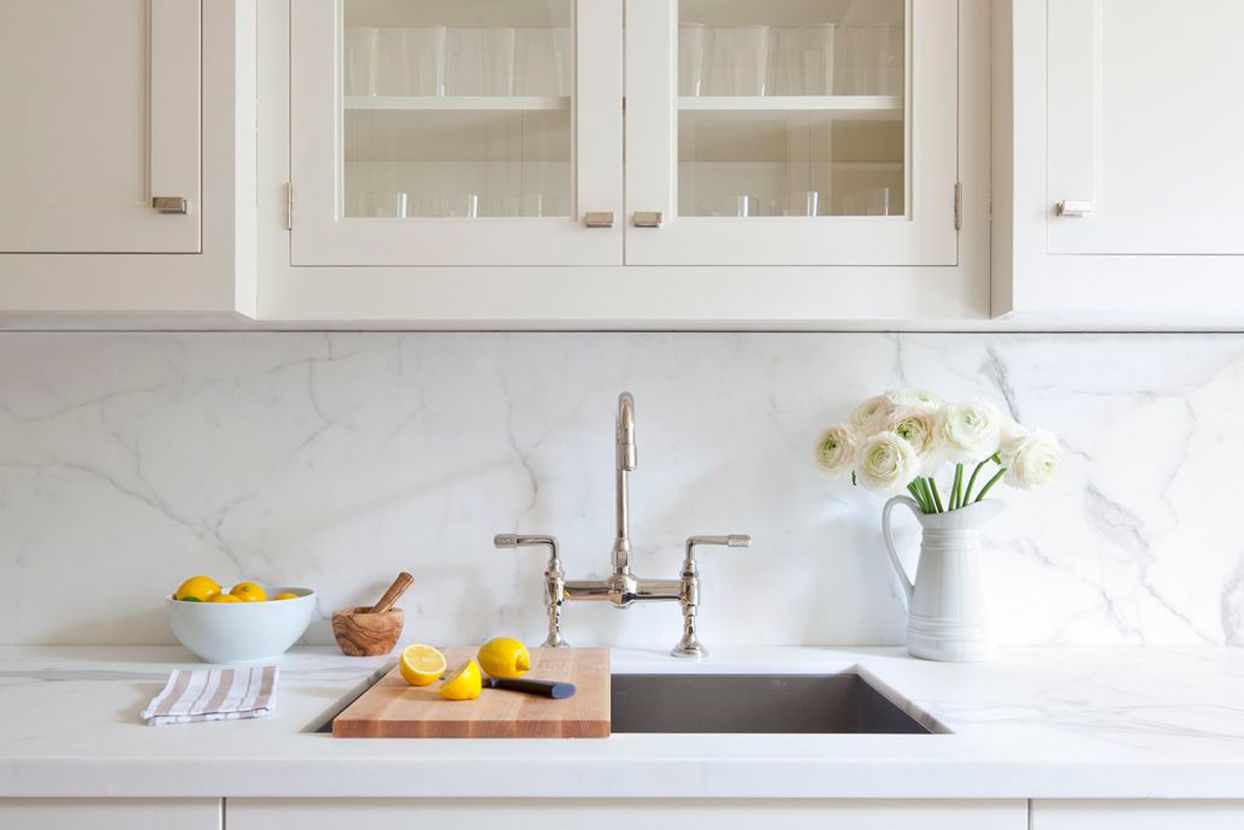
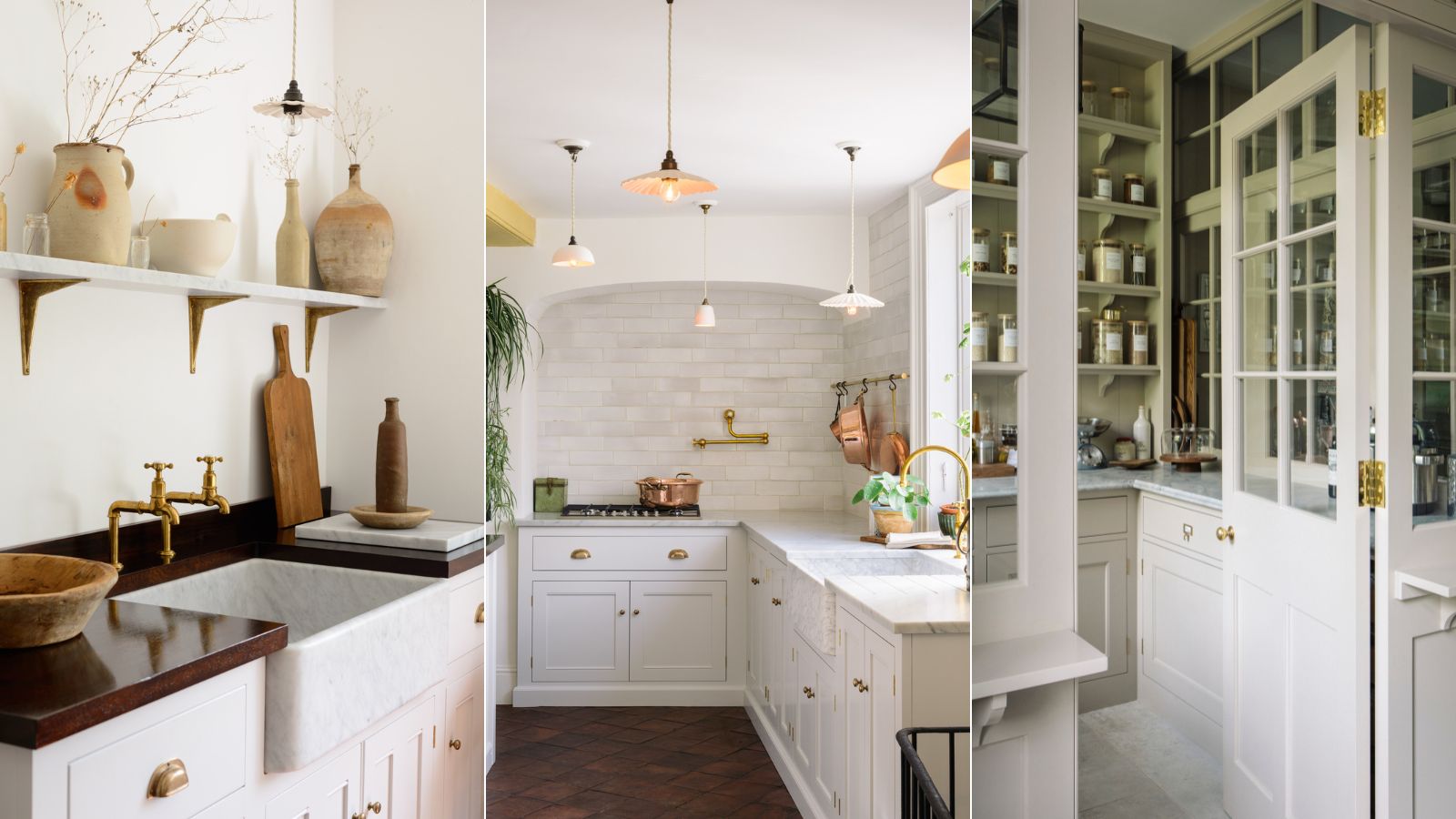
White kitchens have remained a top choice for decades—and for good reason. They create a clean, open, and elegant look that works across nearly every design style.
Advantages of White Kitchens
1. Timeless Appeal White cabinets rarely go out of style. Whether your home leans modern, traditional, or transitional, white adapts seamlessly.
2. Brightens the Space White reflects light, making smaller kitchens feel larger and more open—especially important in many Raleigh-area homes with limited natural light.
3. Higher Resale Value Buyers consistently prefer neutral kitchens. A white kitchen is often a “safe” choice that appeals to the widest audience.
4. Easy to Accessorize You can easily change backsplash, hardware, or decor without replacing cabinets.
Drawbacks of White Kitchens
Shows dirt and wear more easily (especially around handles)
Can feel too sterile or plain without proper contrast
Requires thoughtful layering (textures, metals, wood tones) to avoid a flat look
Best Use Cases
Smaller kitchens needing visual expansion
Homes preparing for resale
Clients wanting a clean, high-end, European-inspired aesthetic
Two-Tone Kitchen Cabinets: Contrast, Depth, and Personality
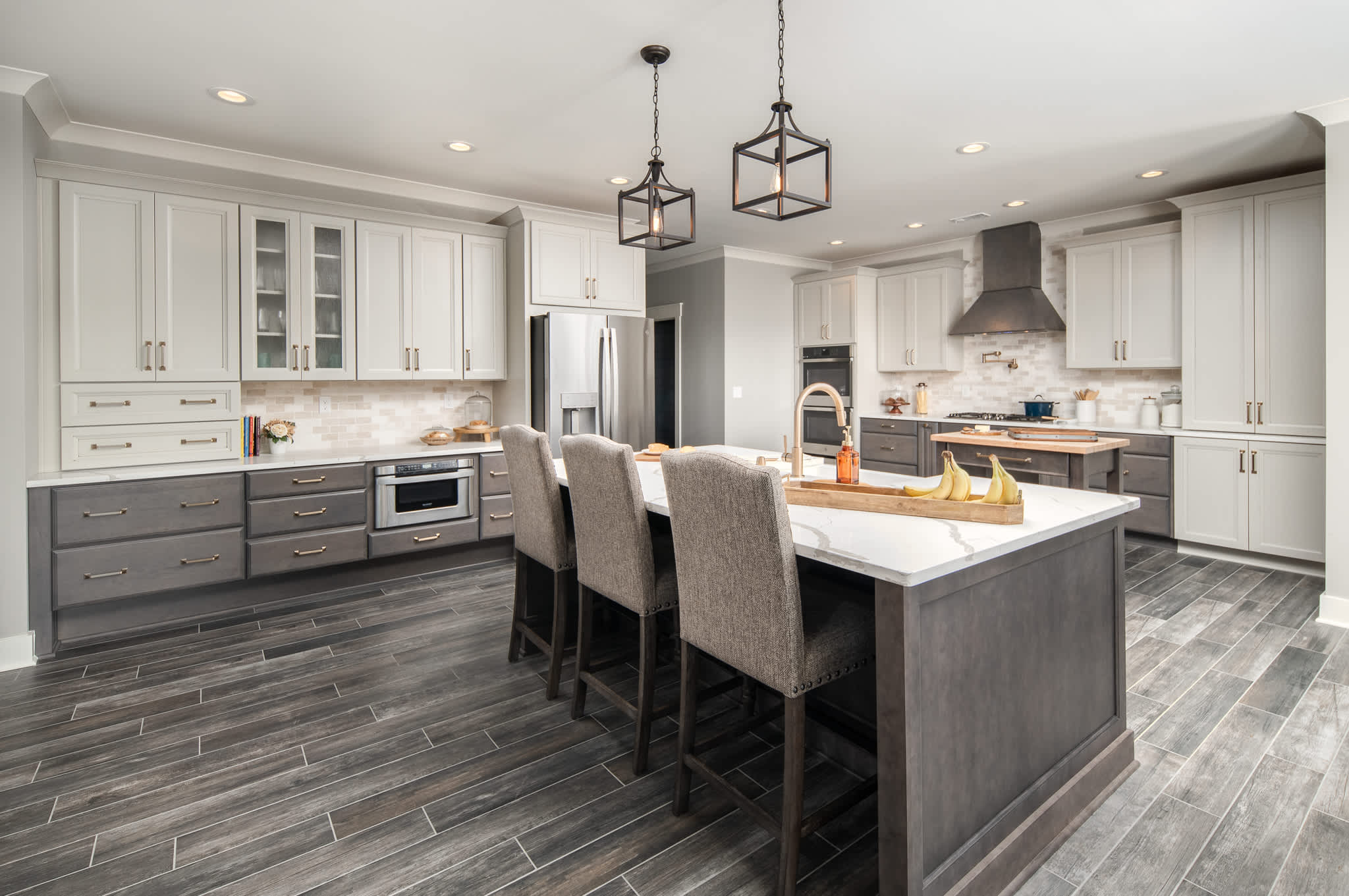
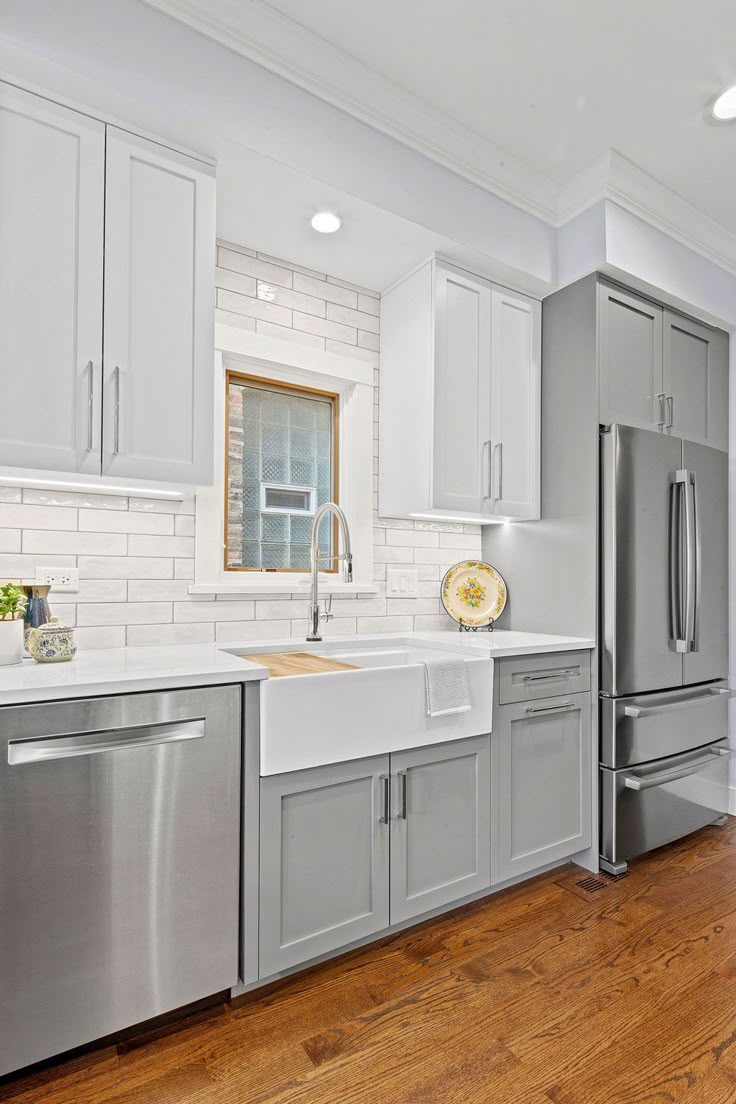
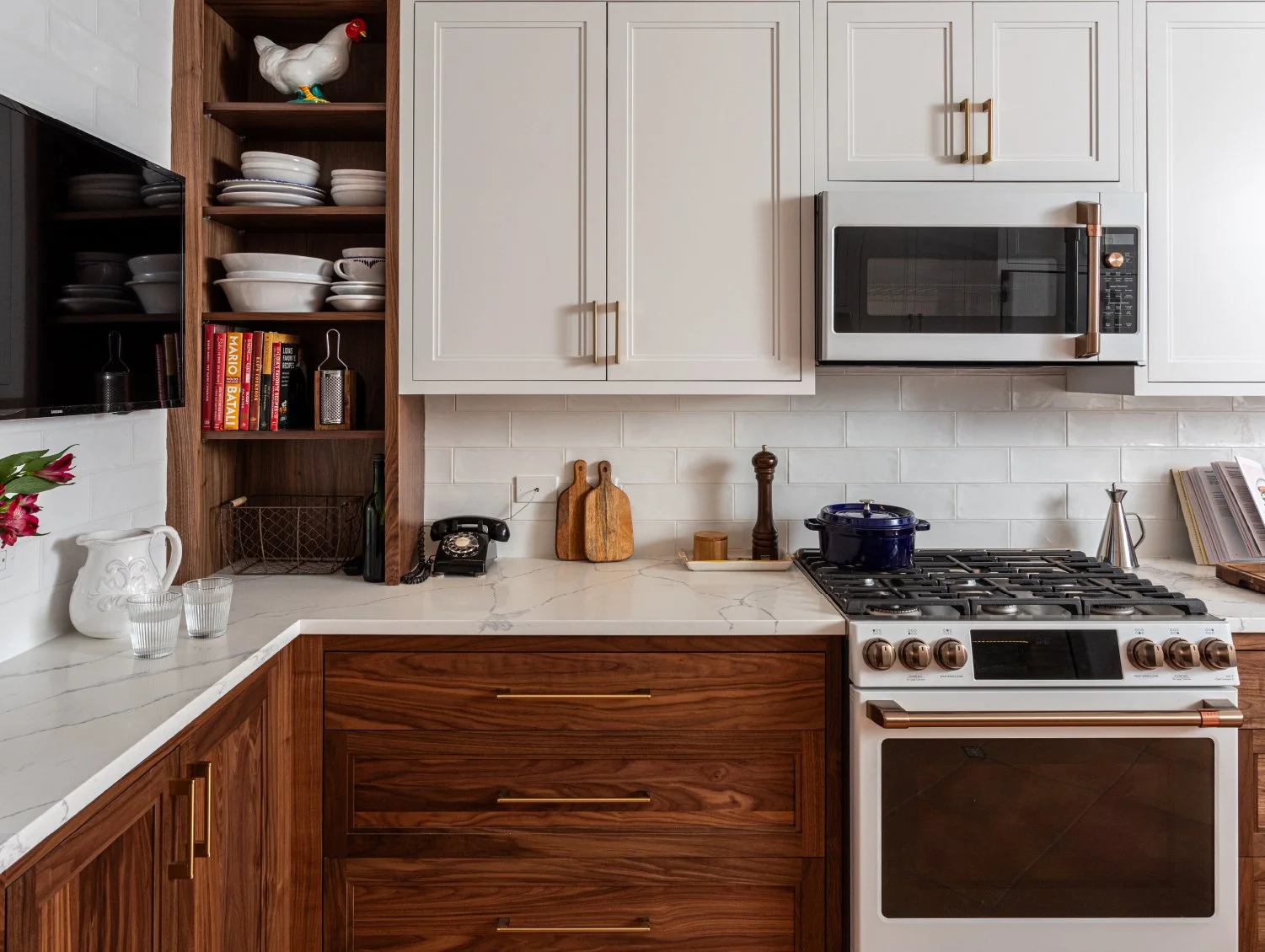
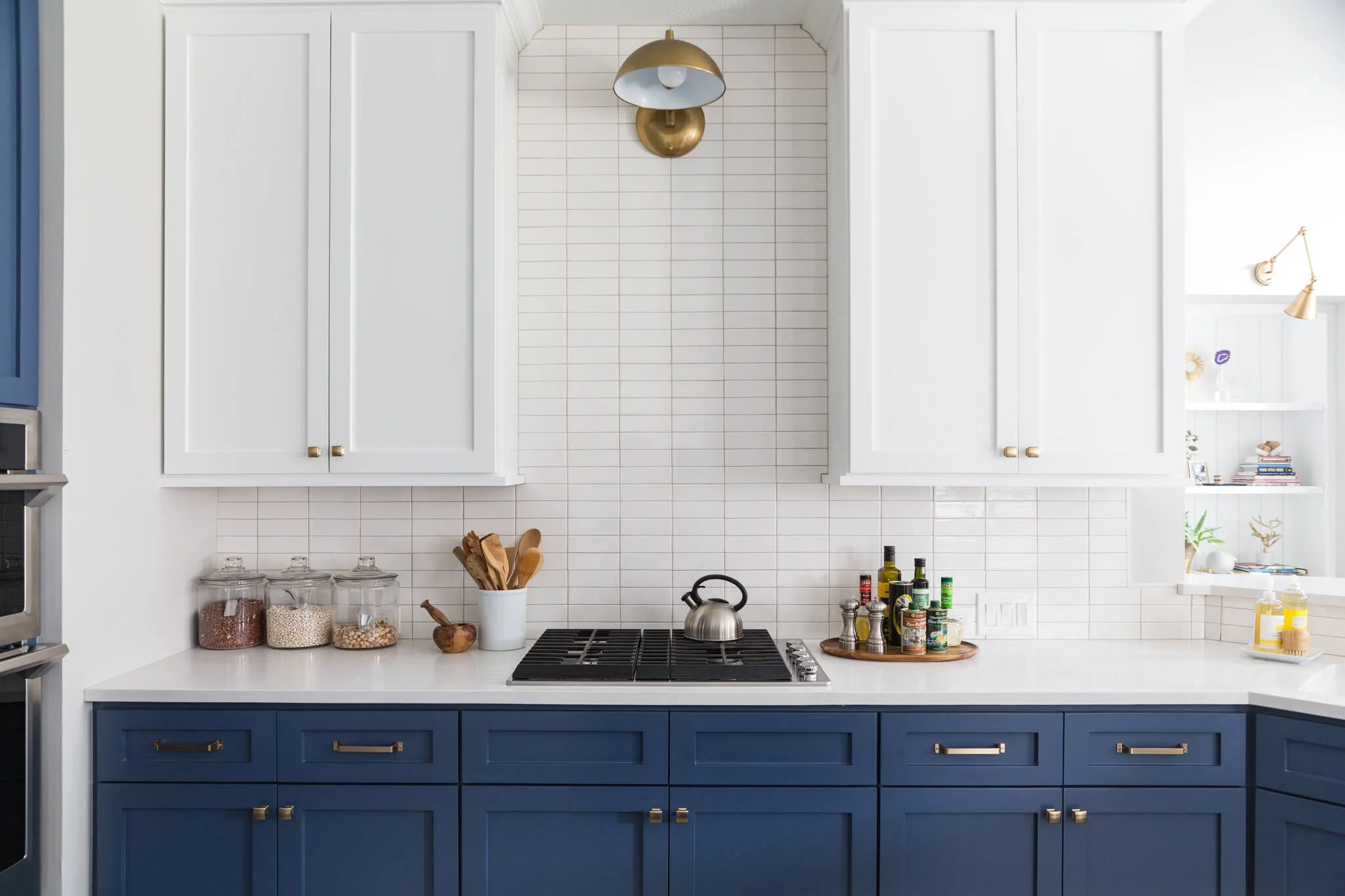
Two-tone kitchens combine two different cabinet colors—typically lighter upper cabinets and darker lower cabinets or island—to create visual interest and contrast.
Advantages of Two-Tone Kitchens
1. Adds Depth and Dimension Breaking up cabinetry visually prevents the kitchen from feeling monotonous.
2. Highlights Key Features A darker island or base cabinets can become a focal point.
3. Hides Wear and Tear Darker lower cabinets are more forgiving with scuffs, spills, and daily use.
4. Design Flexibility Popular combinations include:
Slightly more complex (and sometimes more expensive) to design and install
Best Use Cases
Open-concept homes needing visual zoning
Larger kitchens where contrast enhances scale
Homeowners wanting a custom, designer look
Cost Comparison: White vs Two-Tone
From a construction standpoint, costs are usually similar—but there are nuances.
Factor
White Kitchen
Two-Tone Kitchen
Cabinet Cost
Standard
Slightly higher (multiple finishes)
Design Complexity
Lower
Higher
Installation
Straightforward
Requires careful planning
Overall Budget Impact
$$
$$–$$$
Key Insight: Two-tone kitchens may add 5–15% more in cabinetry or finishing costs depending on materials (paint + wood combination, specialty finishes, etc.).
Design Considerations for 2026 Trends
Whether you choose white or two-tone, execution matters more than the color itself.
What’s Trending Now
Warm whites (not stark bright white)
Natural wood tones paired with painted cabinets
Matte finishes over glossy
Integrated lighting (under-cabinet + toe-kick)
Slab or minimal shaker styles for a modern look
Which Option Is Better for You?
Choose White Cabinets if:
You want a safe, resale-friendly option
Your kitchen is smaller or lacks natural light
You prefer a clean, minimal aesthetic
Choose Two-Tone Cabinets if:
You want a custom, high-end designer look
You’re comfortable making a bolder design statement
Your space can support visual contrast (larger kitchen, open layout)
Pro Recommendation (From a Remodeling Perspective)
For most homeowners in the Raleigh–Cary–Durham market:
White kitchens = Best for ROI and broad appeal
Two-tone kitchens = Best for lifestyle and design impact
A highly effective compromise many of our clients choose:
White perimeter cabinets + contrasting island (navy, wood, or charcoal) This delivers both timelessness and visual interest.
Final Thoughts
There’s no universally “better” choice—only what aligns with your goals, home style, and long-term plans.
If you’re remodeling for resale or simplicity → go white
If you’re remodeling for personal enjoyment and design → go two-tone
The key is thoughtful execution: cabinet quality, layout, lighting, and materials will ultimately define how your kitchen looks and feels.