

Kitchen Remodeling in Raleigh, NC: Homeowner guide
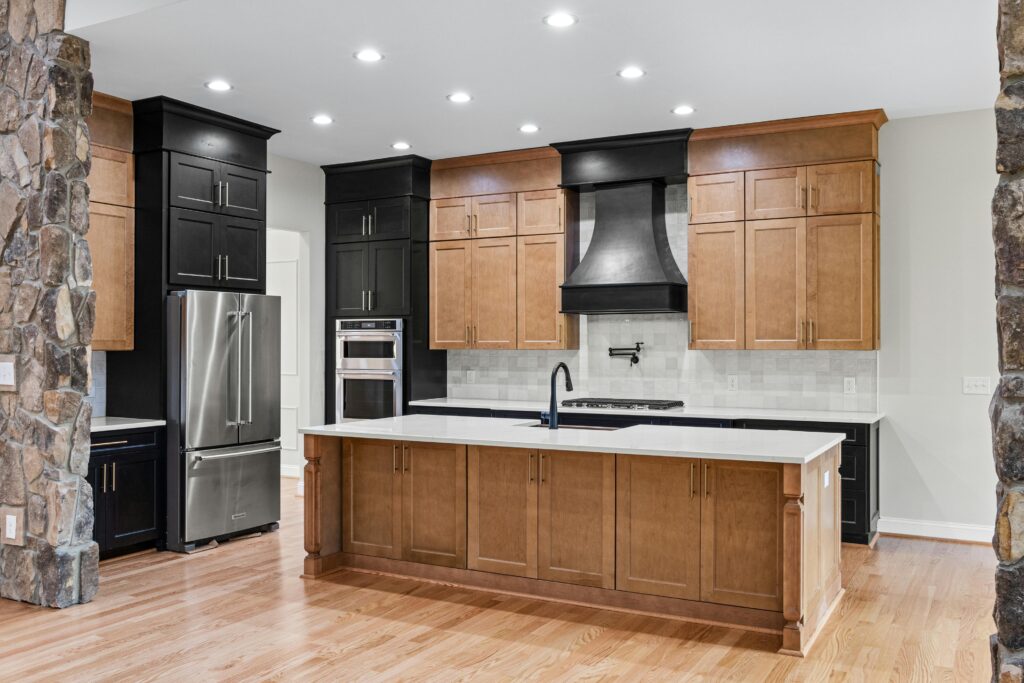
A kitchen remodel is one of the most impactful improvements you can make to your home. The kitchen is more than just a place to prepare meals—it’s where daily routines happen, where families gather, and where guests naturally spend time during visits. Because of this central role, upgrading the kitchen often transforms how a home feels and functions.
A thoughtfully designed kitchen renovation can dramatically improve:
- Functionality and storage
- Workflow and layout efficiency
- Lighting and comfort
- Long-term home value
For many homeowners in the Triangle area, remodeling the kitchen is both a lifestyle upgrade and a smart investment.
At NNHAUS, kitchen projects begin with careful planning and a clearly defined scope of work. Taking the time to plan design details and material selections early helps ensure that construction runs smoothly and the finished kitchen works well for years to come.
What a Typical Kitchen Remodel Includes
Kitchen remodeling projects vary widely depending on the home and the goals of the homeowner. Some renovations focus mainly on updating finishes and appliances, while others involve structural changes that improve the layout and flow of the space.
Most kitchen remodels include a combination of cabinetry, countertops, appliances, lighting, and flooring. Each of these elements contributes to both the functionality and the visual style of the kitchen.
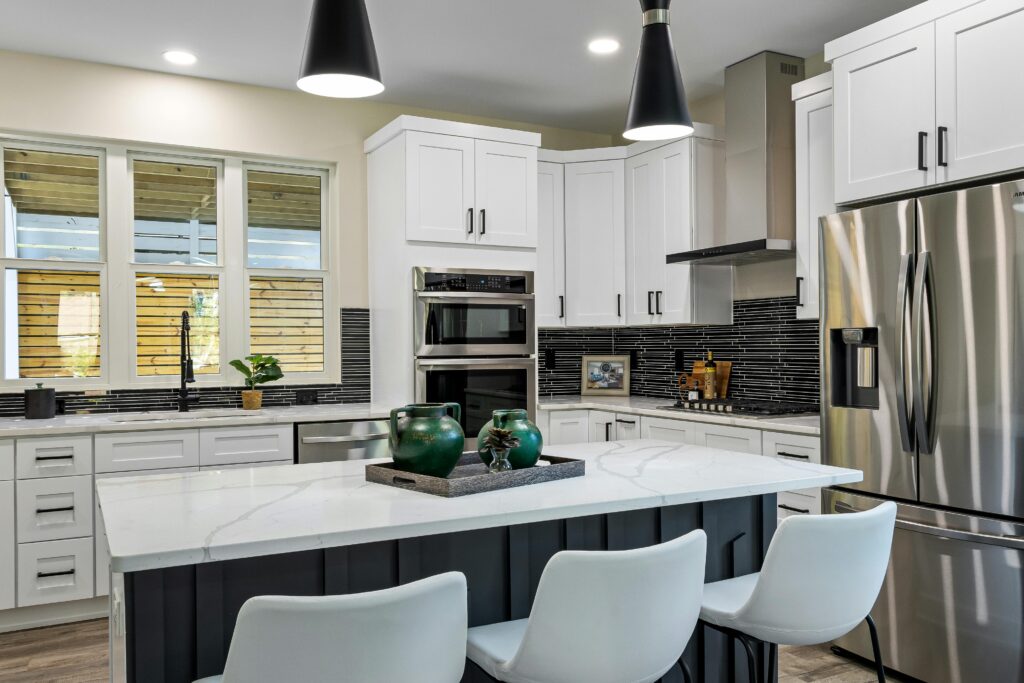
Cabinetry is usually the largest investment and the most visible feature in the room. Homeowners often choose between custom cabinetry or semi-custom cabinet systems depending on their budget and design preferences. Modern kitchens frequently incorporate European frameless cabinet systems, which maximize interior storage space and create a sleek, contemporary appearance. Soft-close hardware and interior storage solutions such as pull-out drawers and organizers also help improve everyday usability.
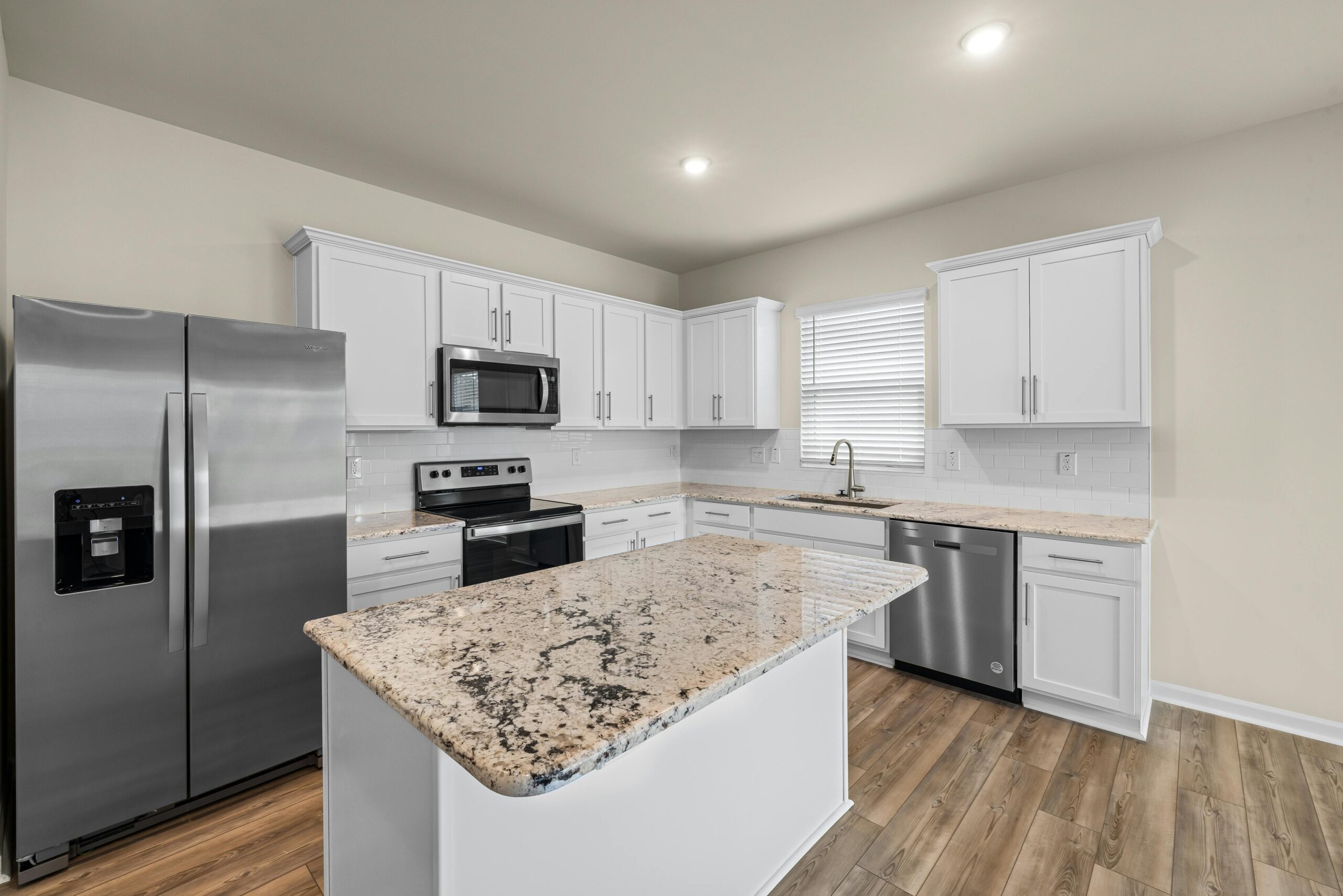
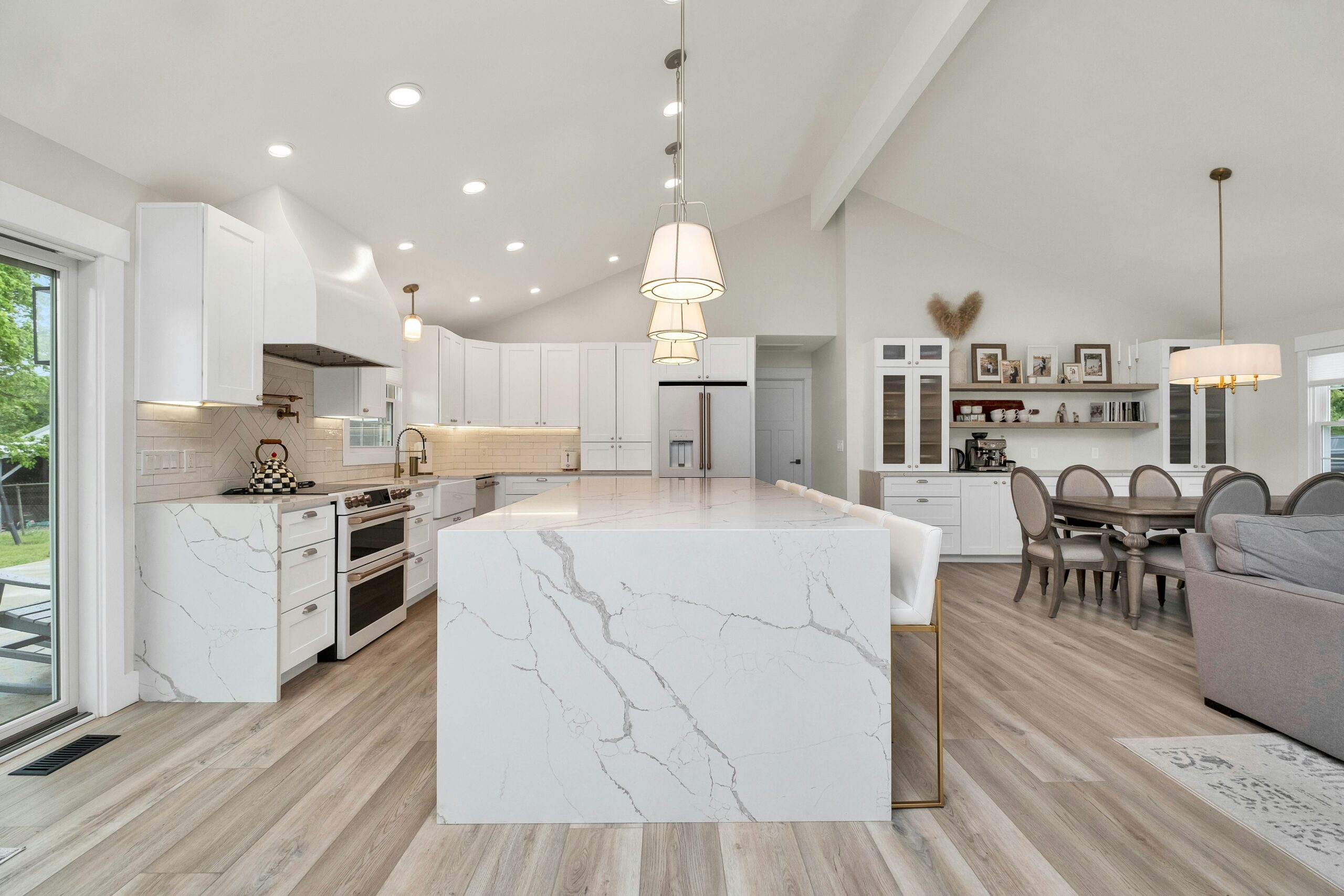
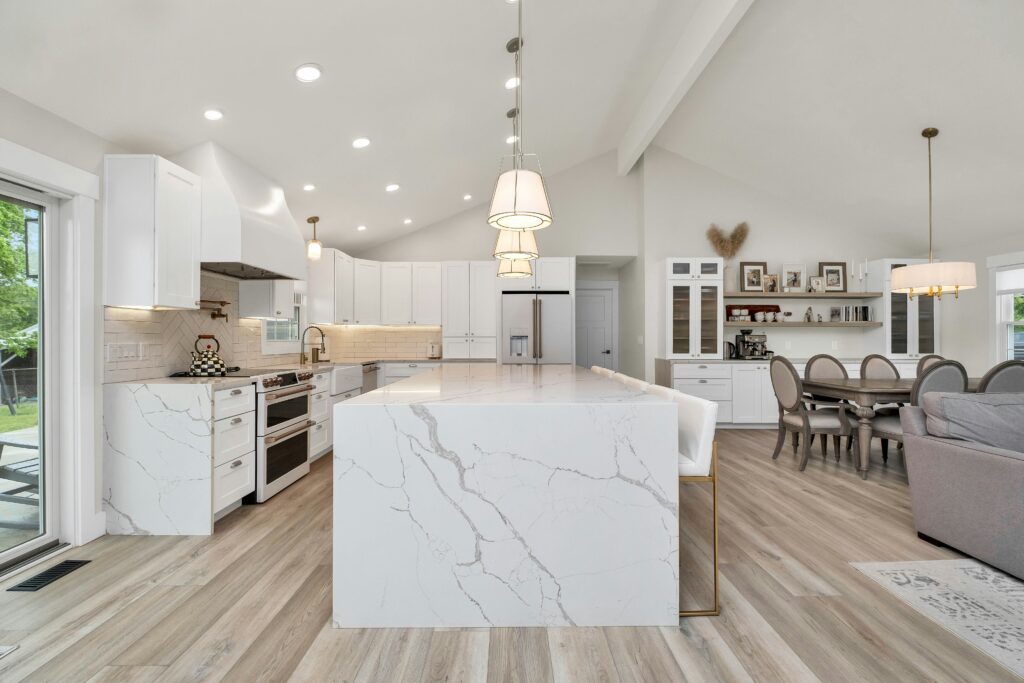
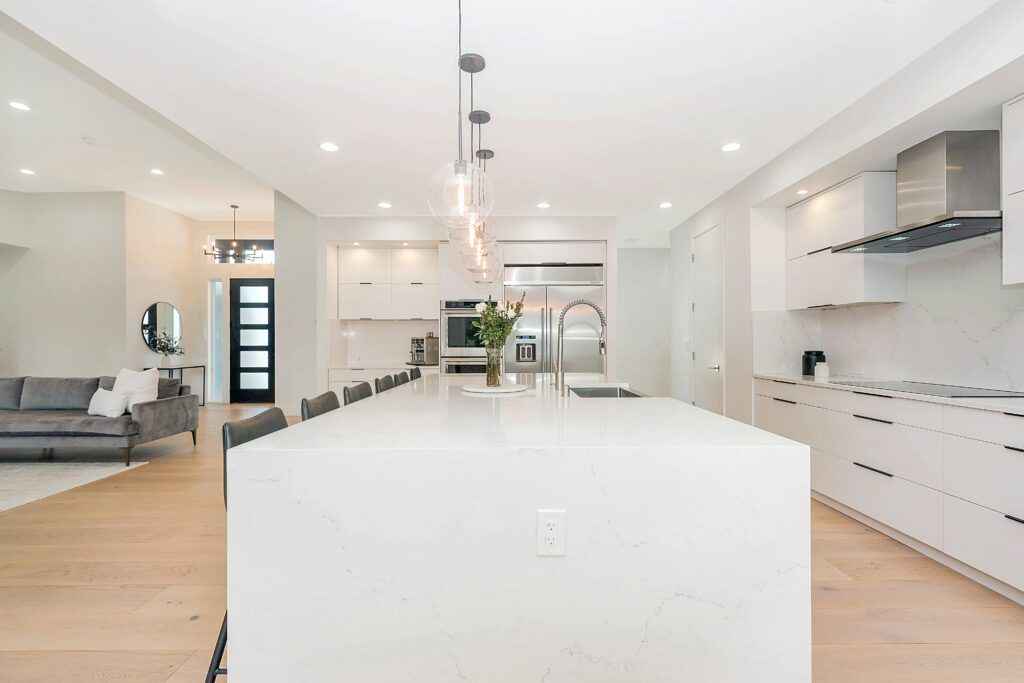
Countertops are another defining feature of a remodeled kitchen. Quartz countertops have become extremely popular because they are durable, low maintenance, and available in a wide variety of styles. Natural stone surfaces such as granite or marble remain popular as well, especially for homeowners who prefer the unique patterns that occur in natural materials. Many modern kitchen designs also incorporate full-height backsplashes, where the countertop material continues up the wall behind the cooking area for a seamless appearance.
Appliances also play a major role in kitchen design. Many homeowners today prefer built-in appliances that integrate neatly with cabinetry. Induction cooktops, built-in wall ovens, and panel-ready refrigerators help create a clean and modern look while improving kitchen efficiency.
Lighting is another critical element that is sometimes overlooked during planning. A well-lit kitchen typically combines several types of lighting:
- Under-cabinet lighting for food preparation areas
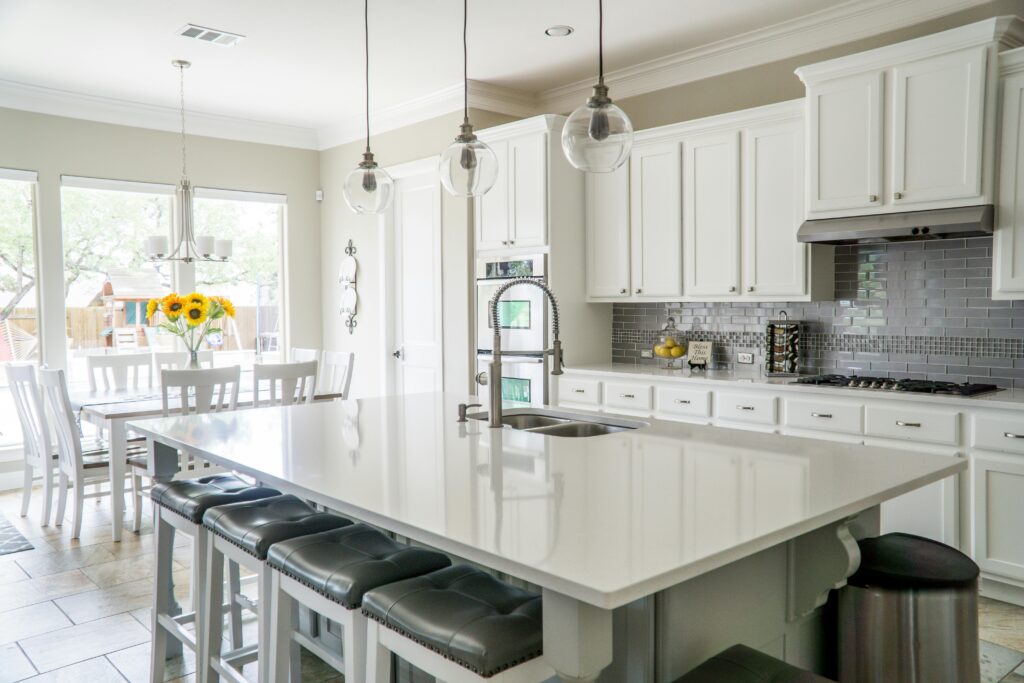
- Pendant lights above kitchen islands or dining areas
- Recessed ceiling lights for general illumination
Together, these lighting layers create a balanced and comfortable environment.
Flooring completes the overall design and must be durable enough to withstand daily use. Popular flooring materials include tile, engineered hardwood, and luxury vinyl plank. Each option offers different advantages in terms of durability, maintenance, and appearance.
When these elements are planned together, the result is a kitchen that feels cohesive, functional, and comfortable to use every day.
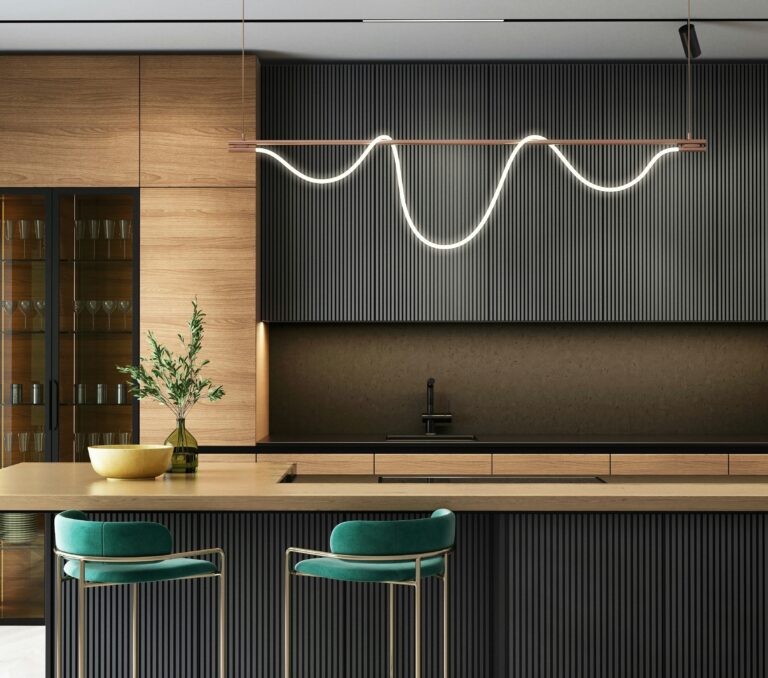
Kitchen Layout Considerations
One of the most important decisions in a kitchen remodel is the layout of the space. Even small adjustments to the layout can significantly improve workflow and convenience.
A classic design principle used in kitchen planning is the kitchen work triangle, which refers to the relationship between the sink, refrigerator, and cooking surface. Ideally, these three areas should be positioned so that movement between them feels natural and efficient.
Depending on the structure of the home, a remodel may include layout changes such as:
- Expanding the kitchen footprint
- Removing walls to create an open floor plan
- Adding a kitchen island for seating and food preparation
- Improving traffic flow between the kitchen and adjacent rooms
In many older homes, kitchens were designed as closed-off spaces separated from the rest of the house. Today, homeowners often prefer open layouts that connect the kitchen to the dining or living areas. Removing or widening a wall between rooms can dramatically change how the space feels.
Even relatively small structural adjustments—such as widening a doorway or relocating appliances—can significantly improve the functionality of the kitchen.
Cabinet Options for Modern Kitchens
Cabinets are often the most visually dominant feature in a kitchen. The style, color, and layout of cabinetry largely define the overall design of the space.
Several cabinet styles remain especially popular in modern kitchens.
Shaker cabinets are one of the most timeless choices. Their simple frame-and-panel design works well in both traditional and modern kitchens. Because of their clean lines, shaker cabinets pair easily with a wide variety of finishes and hardware styles.
Flat-panel cabinets offer a minimalist appearance and are commonly used in contemporary kitchen designs. Their smooth surfaces and lack of decorative detail create a sleek and streamlined look.
European frameless cabinets have also become increasingly popular in modern remodeling projects. These cabinets eliminate the face frame used in traditional American cabinet construction, allowing for larger drawer openings and greater interior storage capacity. The result is a clean, modern appearance combined with excellent functionality.
Homeowners today often choose neutral finishes that complement a wide range of design styles. Popular cabinet colors include warm whites, natural wood tones, deep greens and blues, and matte neutral shades such as taupe or soft gray.
Selecting the right cabinet style and finish helps define the personality of the kitchen while ensuring the design remains timeless.
Quartz Countertops vs Natural Stone
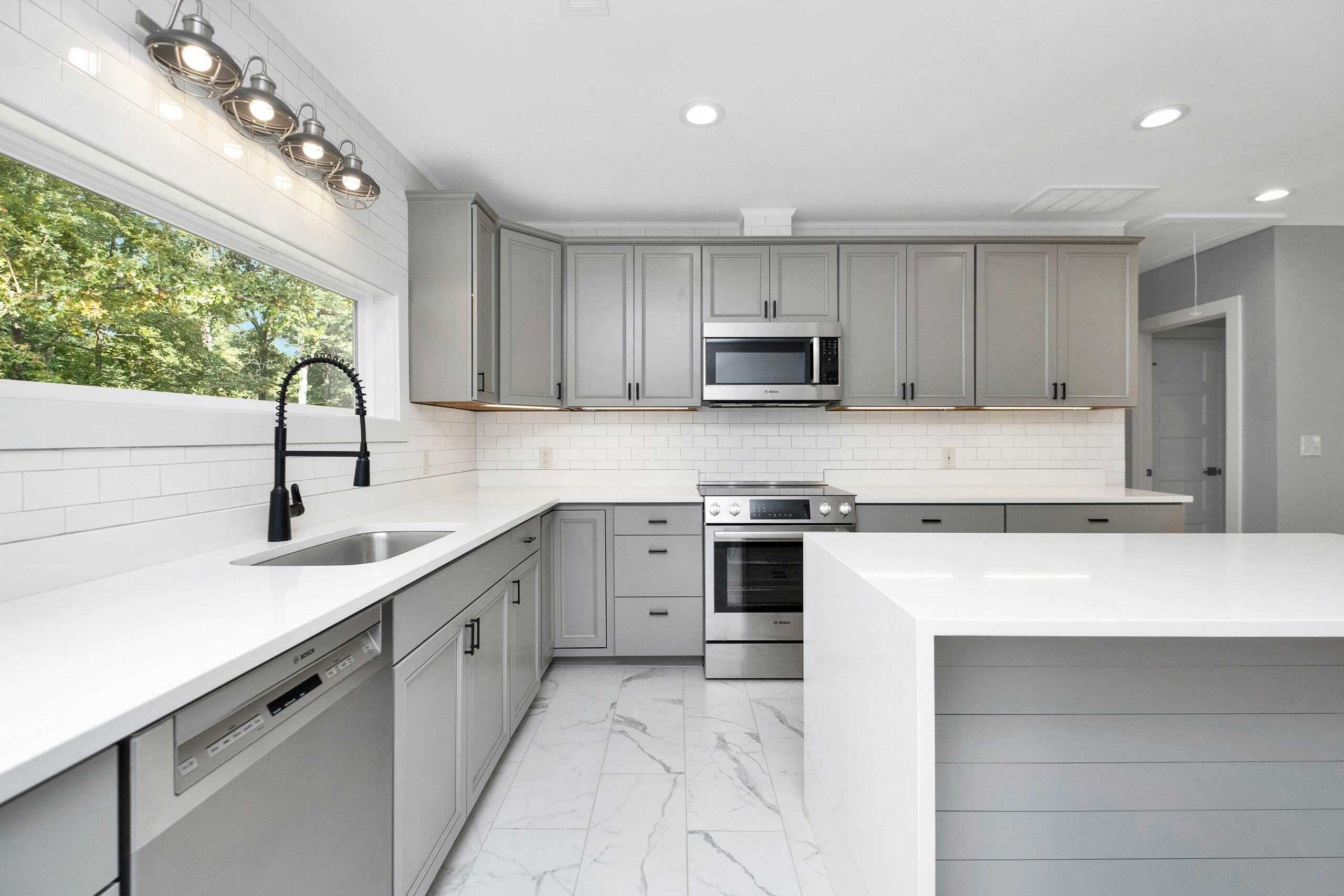
Quartz countertops have become one of the most widely used materials in modern kitchen remodeling projects. Engineered quartz is manufactured using natural quartz particles combined with resin binders, resulting in a durable and non-porous surface.
One of the main advantages of quartz is that it requires very little maintenance. Because the surface is non-porous, it resists staining and does not require sealing. Quartz is also available in a wide range of colors and patterns, allowing homeowners to match their countertops with many different cabinet styles.
Quartz countertops offer several key benefits:
- Non-porous and stain resistant
- Consistent color and pattern
- Low maintenance requirements
However, quartz also has a few limitations. It tends to be more expensive than laminate surfaces, and extreme heat from hot cookware can potentially damage the material.
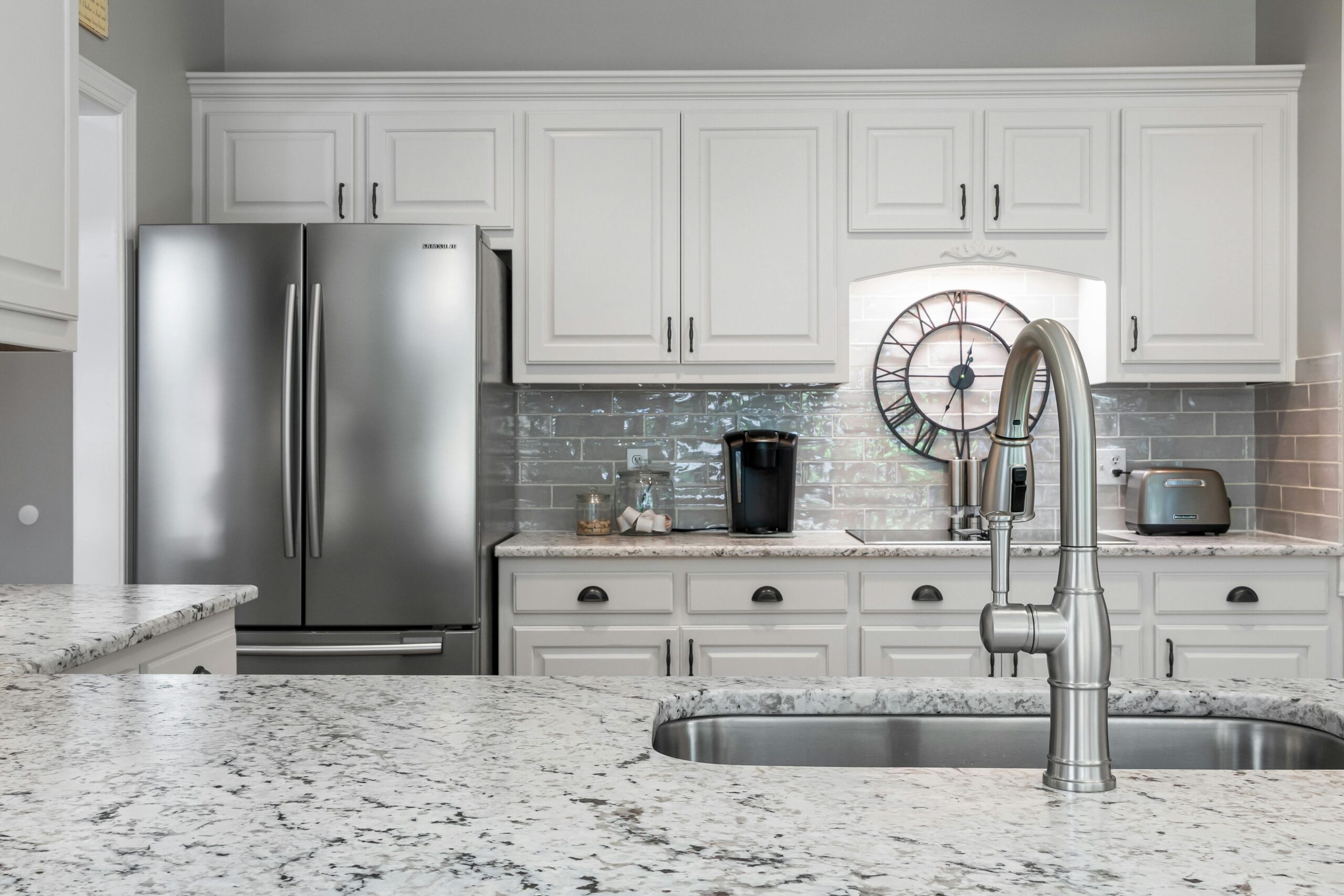
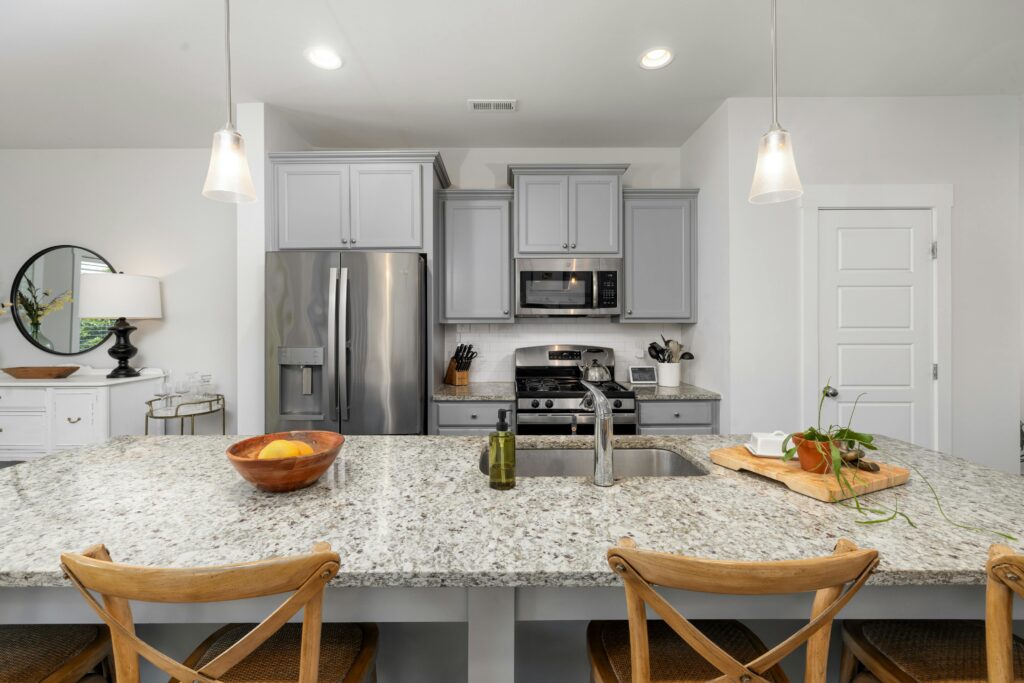
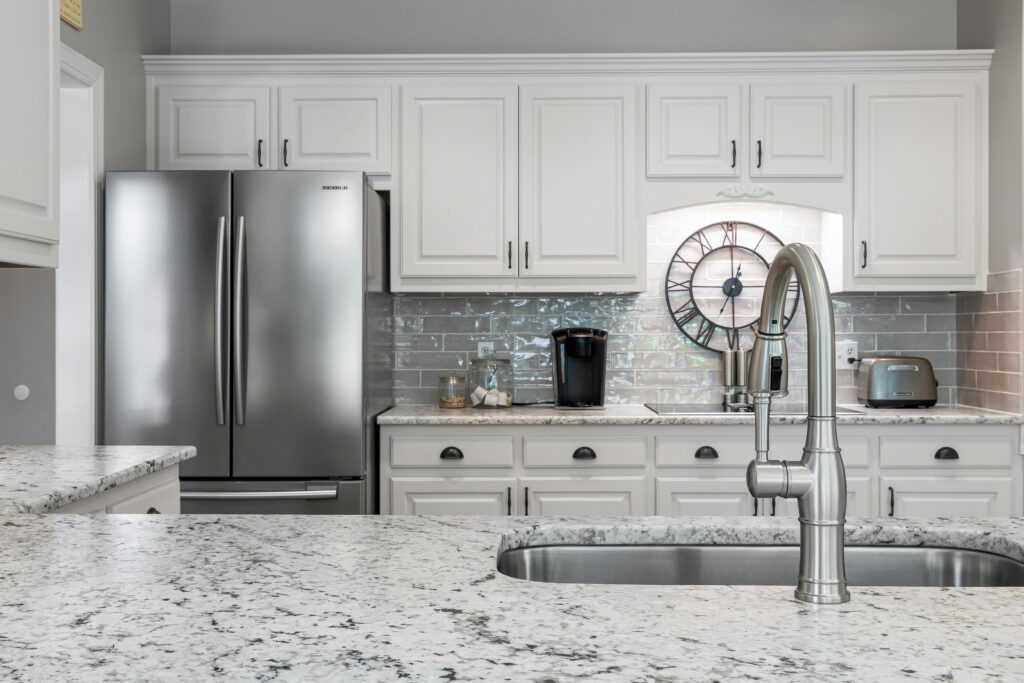
Natural stone countertops, such as granite or marble, offer a different type of appeal. Each slab of natural stone is unique, providing distinctive patterns that cannot be replicated by engineered materials. Granite is particularly valued for its durability and heat resistance.
The main advantages of natural stone include:
- Unique natural patterns
- Excellent heat resistance
- Strong long-term durability
However, natural stone typically requires periodic sealing to maintain its resistance to staining.
For many homeowners, the decision between quartz and natural stone ultimately comes down to personal style preferences and maintenance considerations.
Kitchen Remodel Timeline
A typical kitchen renovation takes approximately four to six weeks, depending on the complexity of the project and the availability of selected materials.
The remodeling process generally follows several stages.
The project begins with planning and measurements. During this stage, the contractor evaluates the existing kitchen layout, documents dimensions, and discusses design goals with the homeowner.
Next comes the design and material selection phase. Homeowners choose cabinets, countertops, appliances, tile, lighting, and other finishes. Making these decisions before construction begins helps avoid delays later in the process.
Once materials are ordered and preparations are complete, demolition begins. Old cabinets, countertops, and flooring are removed so that the new design can be installed.
After demolition, electrical and plumbing updates may be performed if appliances or fixtures are being relocated. Cabinet installation typically follows, after which countertops are templated and fabricated.
The final stage of the project includes installing the backsplash, completing finish carpentry, and installing lighting and appliances.
Careful planning before construction begins is one of the most effective ways to keep a remodeling project on schedule.
Why Planning Matters in Kitchen Remodeling
Kitchen remodeling projects involve multiple trades and require careful coordination. Plumbing, electrical work, cabinetry installation, tile work, and finish carpentry must all occur in the correct sequence.
Decisions about layout, cabinetry, appliances, and lighting should ideally be made before construction begins. Changing design elements during construction can lead to delays and additional costs.
At NNHAUS, projects are structured around several key principles:
- A clearly defined project scope
- Early design decisions
- Coordinated scheduling between trades
- Clean and organized job sites
This structured approach helps ensure that the finished kitchen performs well long after construction is complete.
Kitchen Remodeling in Raleigh, Cary, and Apex
Homeowners throughout the Triangle area are increasingly investing in kitchen renovations that improve both comfort and home value. Communities such as Raleigh, Cary, Apex, Durham, and Chapel Hill continue to see strong housing demand, making kitchen upgrades one of the most valuable improvements homeowners can make.
Working with an experienced remodeling contractor helps ensure that the project is properly planned and executed. Professional design guidance, accurate measurements, and careful construction management are essential for achieving a high-quality result.
At NNHAUS, we work with homeowners across the Triangle area to design and build kitchens that balance functionality, durability, and modern design.
If you are considering a kitchen remodeling project in the Triangle area, scheduling a consultation is the best way to begin exploring the possibilities for your home.
Latest posts
Bathroom Shower Waterproofing Systems: What Homeowners Should Know
February 23, 2026
White Kitchen vs Two-Tone Kitchen Cabinets: Which Is Better?
January 19, 2026

Remodeling Older Homes in Raleigh: What Homeowners Should Know
January 16, 2026
Kitchen Remodeling in Raleigh, NC: Homeowner guide
January 15, 2026

Bathroom Remodeling in Cary, NC: Homeowner Guide
November 15, 2025

Our Services