Remodeling Older Homes in Raleigh: What Homeowners Should Know

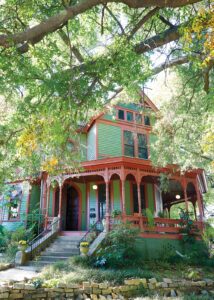
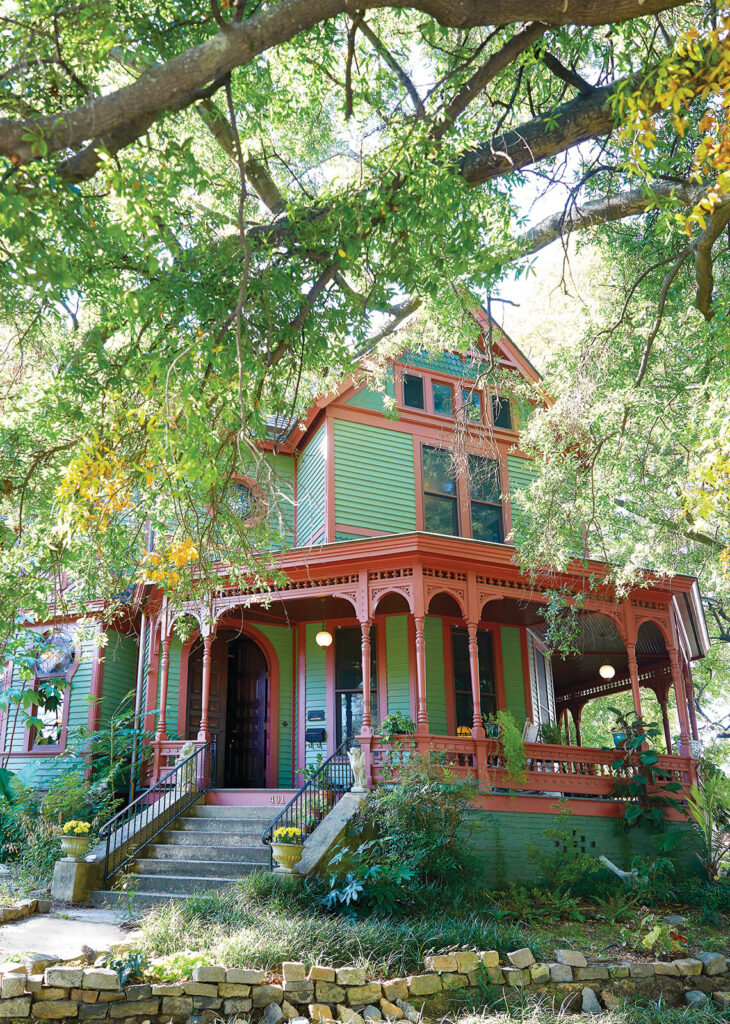
Historic Raleigh neighborhood homes North Carolina

Raleigh has one of the most diverse housing markets in North Carolina, with neighborhoods ranging from historic districts to mid-century suburbs and modern developments. Many homes built between the 1940s and 1990s now require updates to meet today’s design standards, energy efficiency expectations, and functional needs.

Remodeling an older home can dramatically improve comfort and value—but it also presents unique challenges that homeowners should understand before starting a renovation project.

This guide explains what to expect when remodeling older homes in Raleigh and how to plan a successful renovation.

Why Many Raleigh Homes Need Remodeling

Raleigh experienced major residential growth during several decades:

  • 1940s–1960s: Post-war ranch homes and bungalows
  • 1970s–1980s: Traditional suburban developments
  • 1990s: Early open-concept homes with dated finishes

While these homes often have great locations and solid structures, many contain outdated:

  • kitchens and bathrooms
  • electrical systems
  • plumbing fixtures
  • insulation and windows
  • interior layouts

Remodeling allows homeowners to modernize these spaces while preserving the character of the home.

Common Issues Found in Older Homes

Before beginning any remodeling project, it is important to understand the typical challenges that older homes present.

Outdated Plumbing

Older homes may still contain plumbing materials such as:

  • galvanized steel pipes
  • copper pipes nearing the end of their lifespan
  • outdated drain lines

These systems can cause issues such as low water pressure, corrosion, or leaks.

During bathroom or kitchen renovations, contractors often recommend replacing older plumbing lines to avoid future problems.

Electrical System Limitations

Many older Raleigh homes were designed before modern electrical demand existed. Today’s households rely on significantly more power for appliances, lighting, and electronics.

Common electrical issues include:

  • outdated electrical panels
  • limited outlets
  • insufficient circuits for modern kitchens
  • lack of GFCI protection in bathrooms and kitchens

Electrical upgrades are often required when remodeling kitchens or bathrooms.

Structural Changes and Layout Challenges

Older homes frequently have layouts that feel closed or inefficient compared to modern open-concept designs.

Common remodeling goals include:

  • opening kitchen walls
  • expanding bathrooms
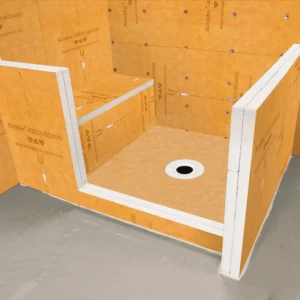
  • adding larger showers
  • improving natural light

However, some walls may be load-bearing, meaning structural modifications require proper engineering and permits.
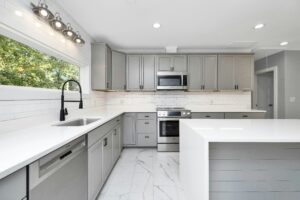
Remodeling older home in Raleigh modern kitchen renovation

Materials That May Be Present in Older Homes

Homes built decades ago may contain materials that are no longer commonly used today.

Asbestos

Some older homes contain asbestos in:

  • insulation
  • flooring
  • ceiling textures

Professional testing and removal may be required before renovation work begins.

Lead-Based Paint

Homes built before 1978 may contain lead paint. Contractors must follow proper safety procedures when disturbing painted surfaces.

Permits and Regulations in Raleigh

Most remodeling projects require permits through the City of Raleigh Development Services Department.

Permits are commonly required for:

  • plumbing changes
  • electrical work
  • structural modifications
  • moving walls
  • adding windows or doors

Working with experienced contractors ensures the renovation meets local building codes and passes inspections.

Popular Remodeling Projects for Older Homes

Homeowners often focus on projects that provide the greatest improvement in comfort and functionality.

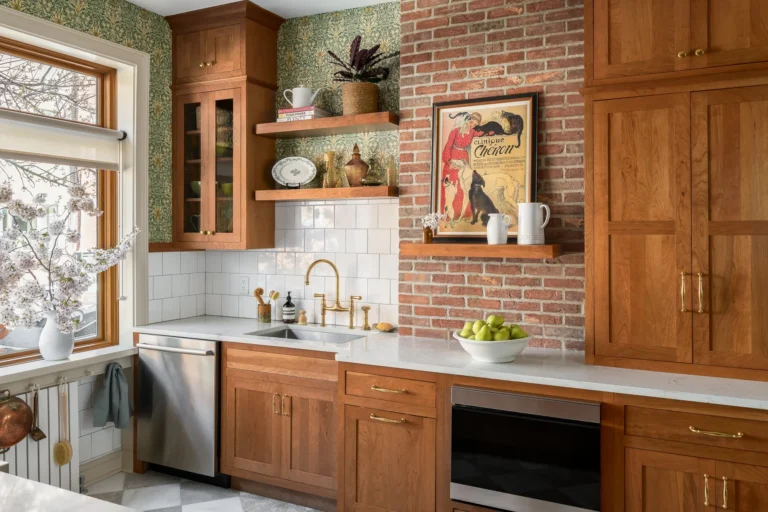
Kitchen Remodeling

Older kitchens typically have:

  • smaller layouts
  • limited storage
  • outdated cabinets and appliances

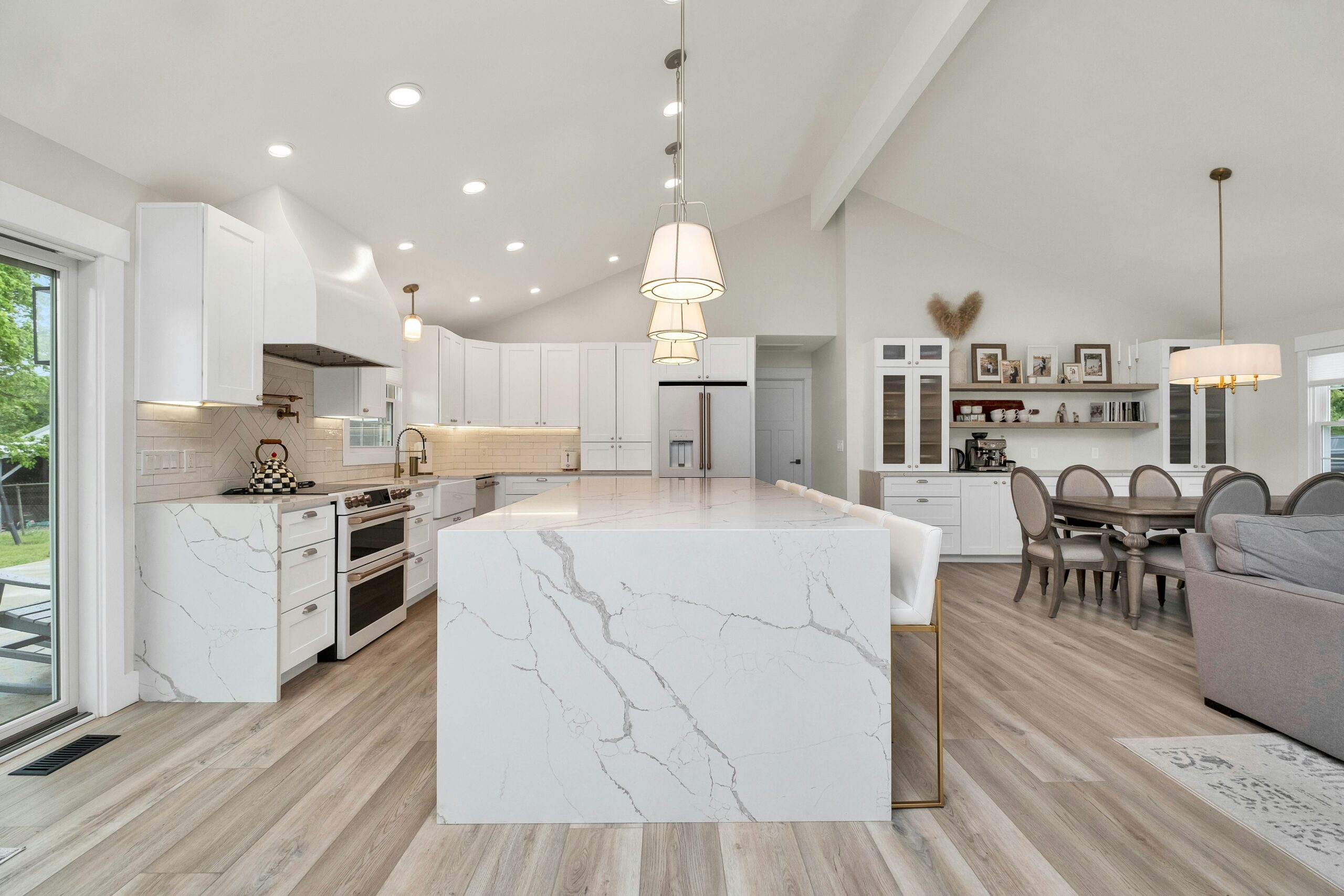
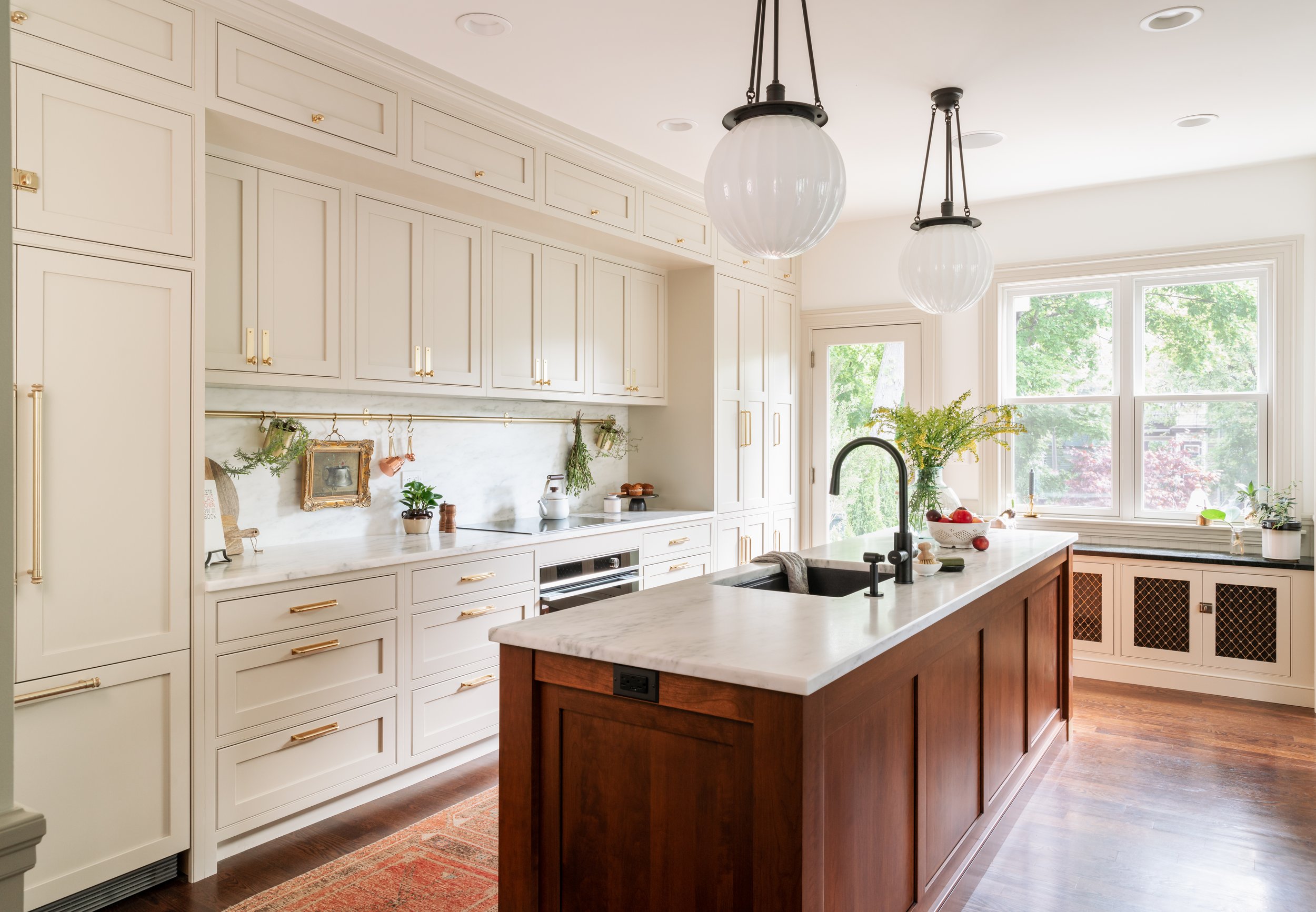
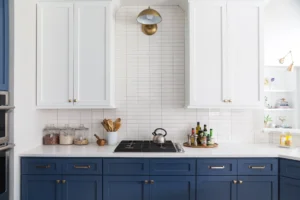
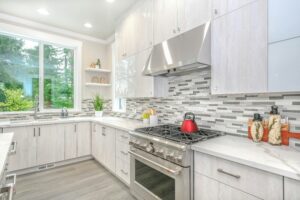
Modern kitchen remodels often include:

  • open-concept layouts
  • quartz countertops
  • European-style cabinets
  • large islands for seating and storage

These upgrades can dramatically transform how the home functions.

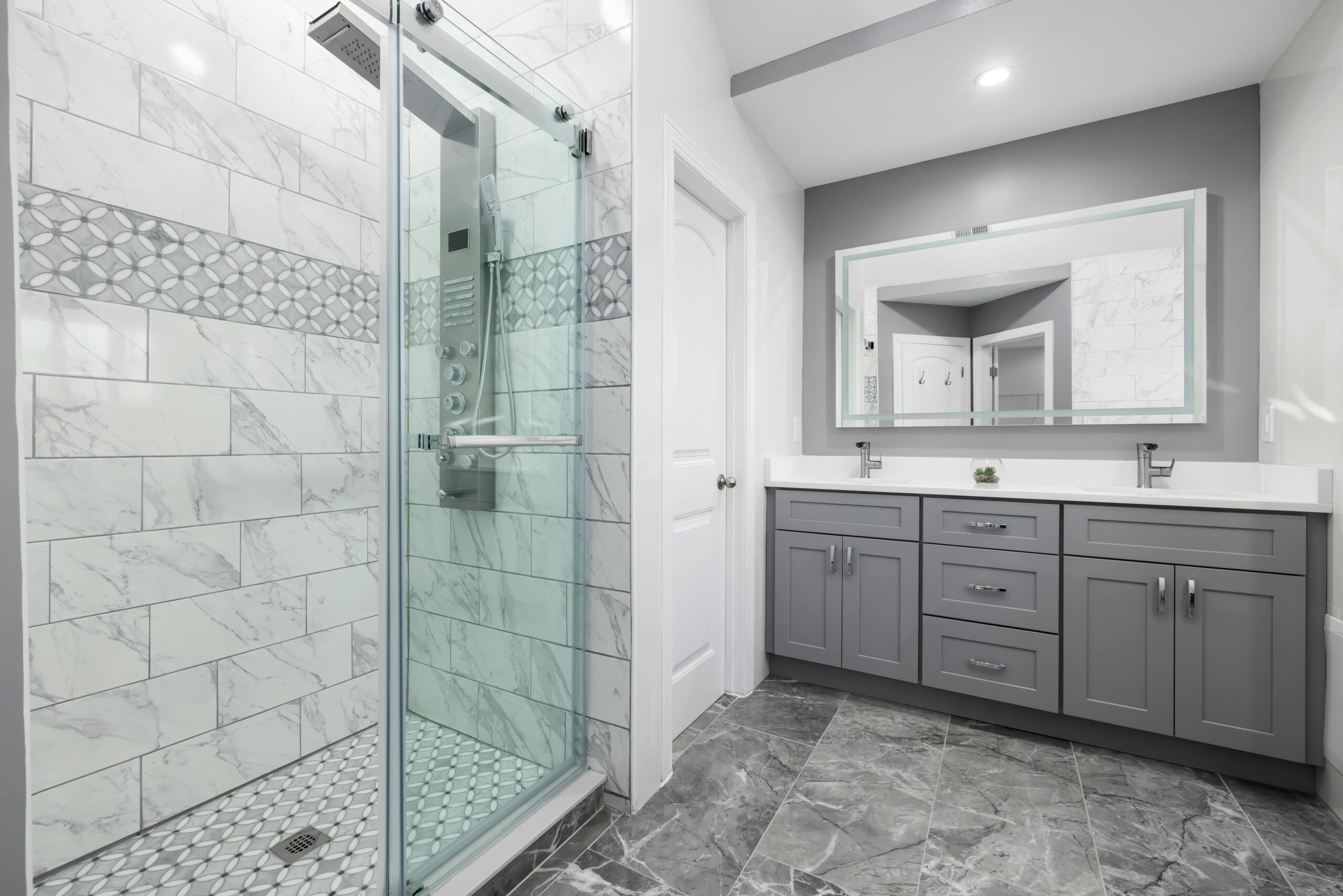
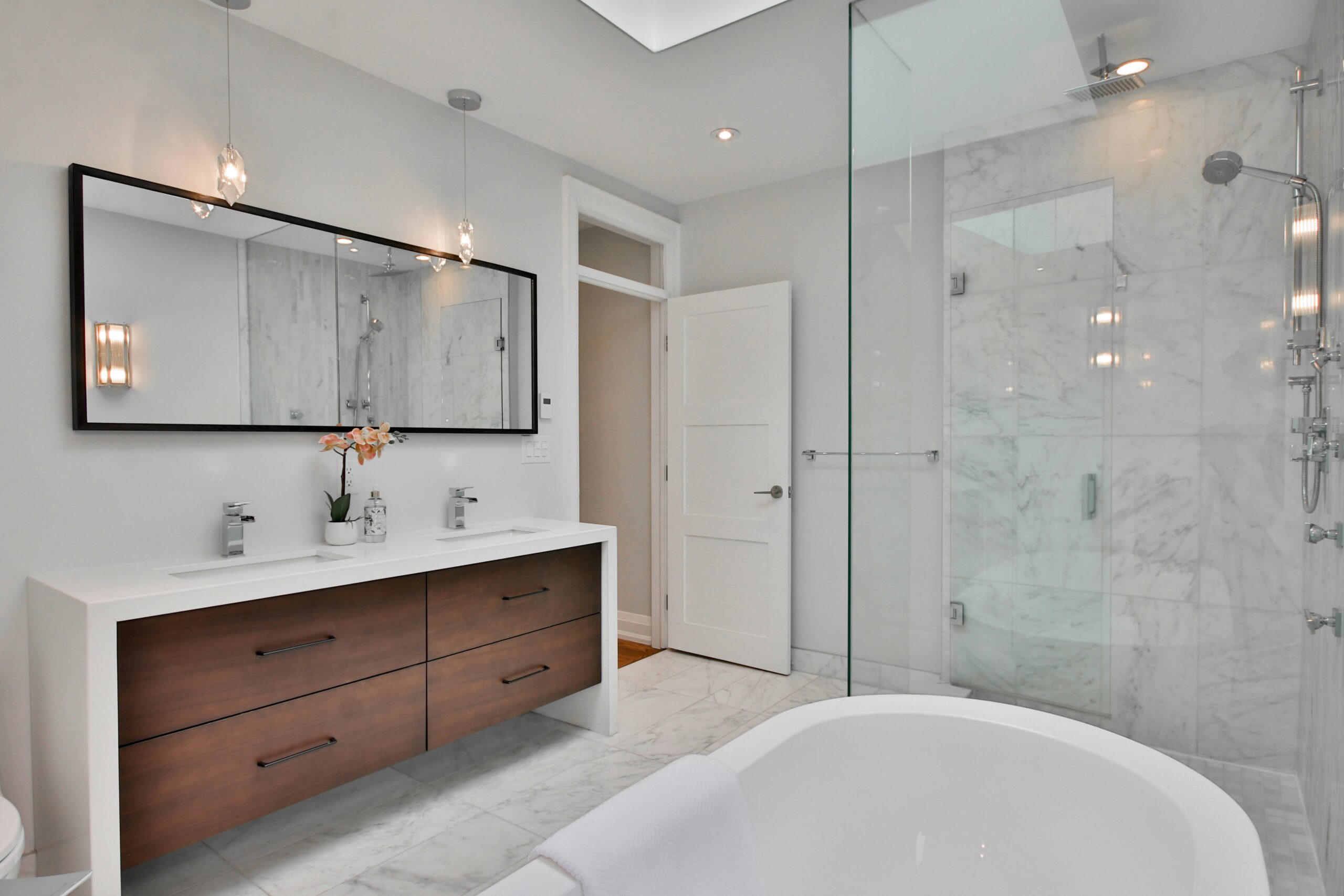
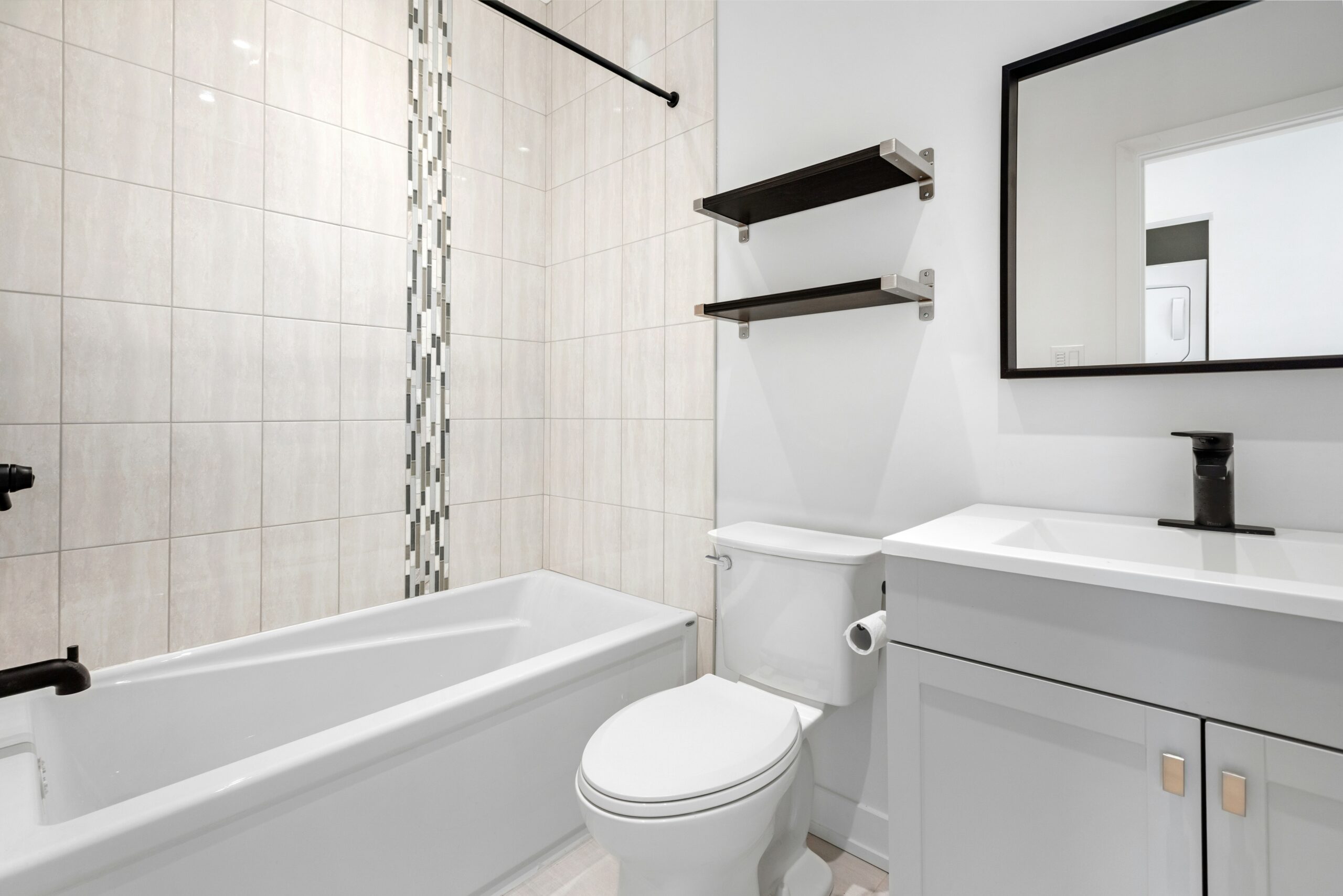
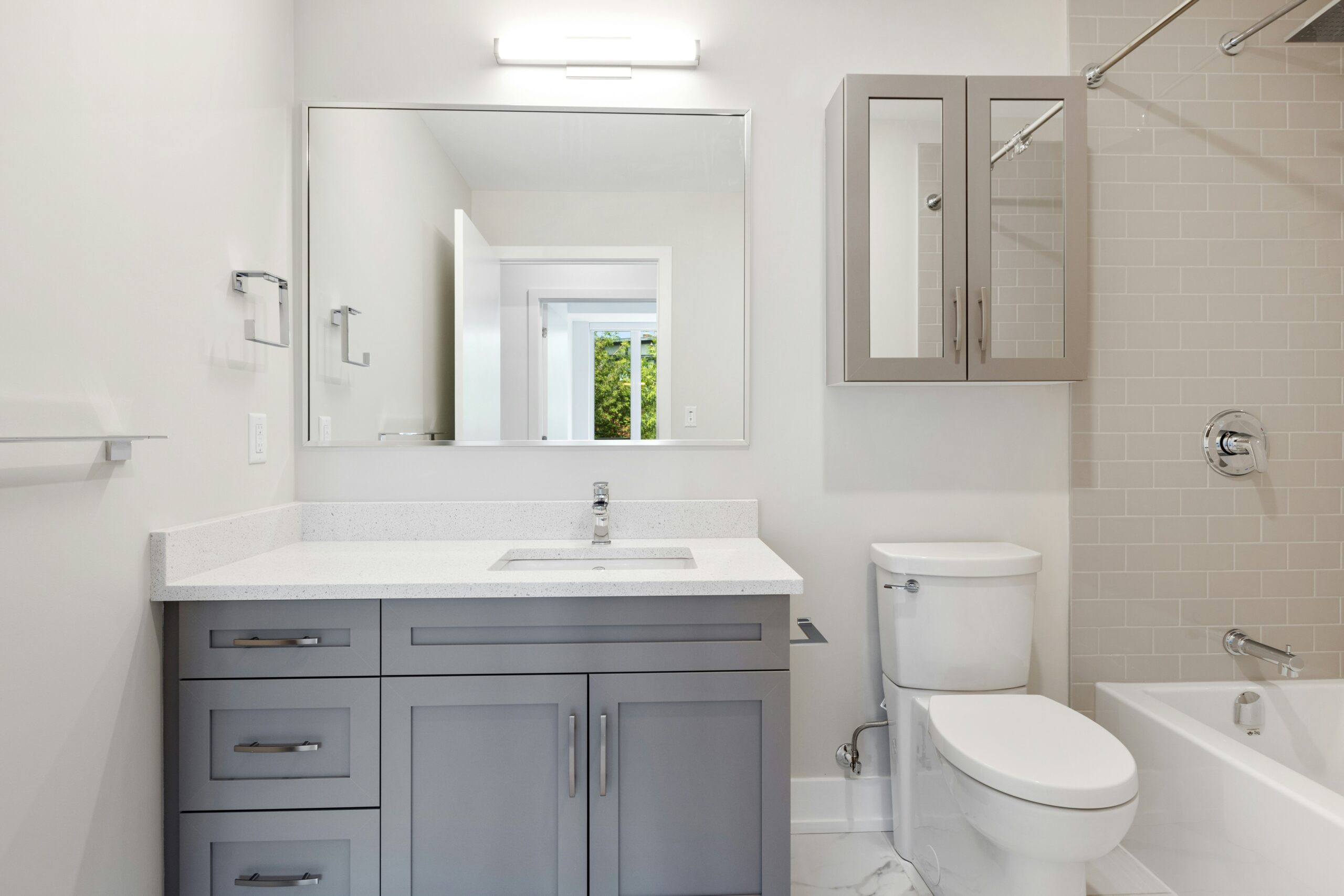
Bathroom Renovations

Many older homes still have bathrooms with:

  • small tubs
  • outdated tile
  • limited storage

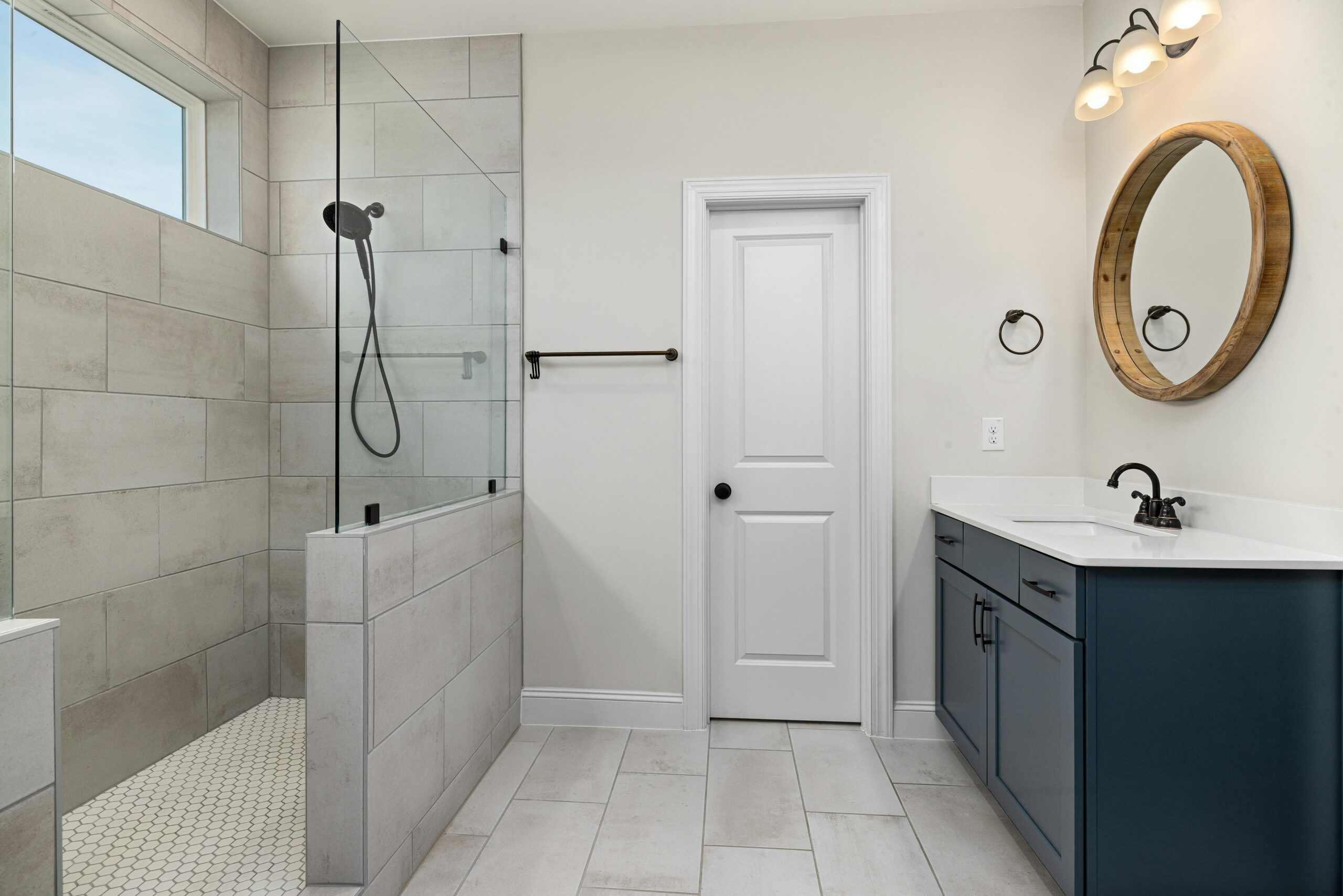
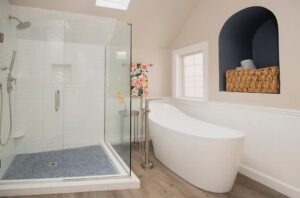
Homeowners commonly upgrade to:

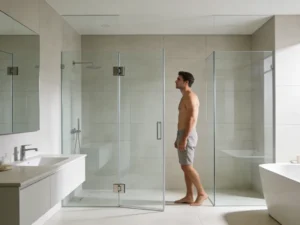
  • walk-in showers
  • frameless glass enclosures
  • floating vanities
  • modern lighting

Bathroom renovations improve both comfort and resale value.

Energy Efficiency Improvements

Older homes may benefit from energy upgrades such as:

  • improved insulation
  • modern windows
  • LED lighting
  • energy-efficient appliances

These updates reduce energy costs and improve overall comfort.

Budget Considerations When Remodeling Older Homes

Renovating older homes can sometimes reveal hidden issues once demolition begins.

Examples include:

  • water damage behind walls
  • outdated wiring
  • plumbing problems
  • structural repairs

For this reason, homeowners should plan a contingency budget of 10–15% to cover unexpected conditions.

Typical Timeline for Remodeling Projects

Renovation timelines vary depending on the scope of work.

Project Type

Typical Timeline

Bathroom remodel

3–6 weeks

Kitchen remodel

6–10 weeks

Whole home renovation

3–6 months

Planning, design, and material ordering may add additional time before construction begins.

Benefits of Remodeling Older Homes

Despite potential challenges, older homes often offer advantages such as:

  • established neighborhoods
  • mature landscaping
  • larger lots
  • unique architectural character

Renovating these homes allows homeowners to combine historic charm with modern comfort.

Final Thoughts

Remodeling older homes in Raleigh can be incredibly rewarding when properly planned. Understanding potential structural, plumbing, and electrical challenges helps homeowners avoid surprises and make informed decisions.

With thoughtful design and professional guidance, renovations can transform older homes into modern, functional spaces while preserving the character that makes Raleigh’s neighborhoods so desirable.

Homeowners considering kitchen or bathroom remodeling should begin with a detailed evaluation of their home’s current condition and develop a renovation plan that balances design goals, budget, and long-term value.

If you are considering a kitchen remodeling project in the Triangle area, scheduling a consultation is the best way to begin exploring the possibilities for your home.